Can Window Tint Improve Night Driving or Make It Worse?
Night driving can be stressful in
Waynesville, OH and throughout the Miami Valley because glare is everywhere. Oncoming headlights, bright LED streetlights, wet pavement, and reflective signs can make your eyes work harder, especially on two lane roads and higher speed routes. Many vehicle owners consider
window tint to reduce harsh light, but they also worry about making the glass too dark and losing visibility. That concern is valid because tint darkness changes how much visible light reaches your eyes, and the wrong shade can make it harder to see pedestrians, cyclists, and road hazards at night. The good news is that modern tint technology, especially high clarity
ceramic films, can reduce uncomfortable glare and improve driving comfort without sacrificing clarity when the film is properly selected and installed. In this guide, we explain how visible light transmission influences night driving, how glare reduction differs from light blocking, and how Solar Shade Truck And Car Paradise helps local drivers choose a safe, legal tint setup that supports confident night visibility.
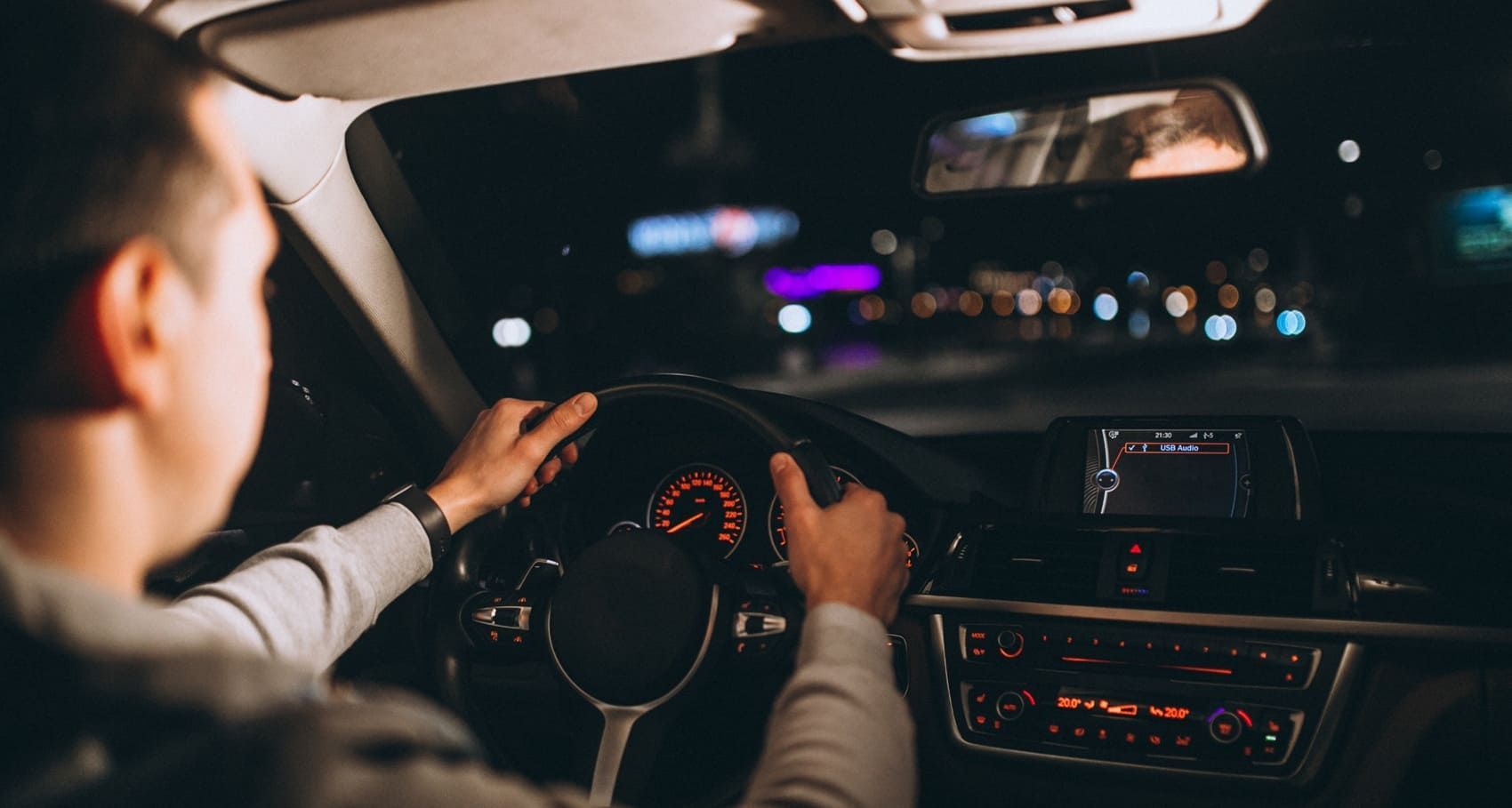
Table of Contents
1. How visible light transmission affects night driving
2. Glare reduction vs light blocking
3. How ceramic tint reduces headlight glare
4. 20 percent vs 35 percent vs lighter for night use
5. Ohio window tint laws and legal limits
6. Windshield tint strip options for glare control
1. How visible light transmission affects night driving performance
When people talk about tint being “dark,” they are really talking about visible light transmission , usually shortened to VLT. VLT is the percentage of visible light that passes through the glass and film combination and reaches your eyes. A higher VLT means more light gets through, which generally helps night visibility. A lower VLT means less light gets through, which can reduce glare in bright conditions but can also make it harder to see at night.
For night driving, the key question is not “Will tint help?” It is “Will the tint reduce the right kind of light without starving my eyes of detail?” Human vision relies on contrast. At night, your eyes are already working with less light, and many drivers also face age related changes, dry eyes, or astigmatism that can make glare feel worse. A tint that is too dark can reduce your ability to see subtle contrast in shadows, especially on unlit roads or in rain.
That is why window tint night driving visibility should be approached as a safety decision, not just a style decision. When you choose the best tint for night driving, you are trying to balance three things:
- Comfort: Reduce discomfort from harsh light sources.
- Clarity: Preserve sharp detail and contrast at night.
- Compliance: Stay within Ohio legal limits and avoid risky windshield tint choices.
VLT applies to each window, and it also depends on the factory glass. Some vehicles have slightly tinted privacy glass in the rear that changes total VLT. This is another reason professional evaluation matters. You do not want to guess.
| VLT range | How it looks | Typical night driving effect | Common use |
|---|---|---|---|
| 50% and lighter | Very light | Best for preserving night visibility | Drivers focused on safety and legality |
| 35% | Medium | Balanced, may reduce comfort for some at night | Popular all around choice when legal |
| 20% and darker | Dark | Higher night visibility risk on side glass | Privacy look, often rear glass on trucks and SUVs |
2. Glare reduction vs light blocking: what matters at night
Glare reduction and light blocking are related, but they are not the same. Many people assume that the only way to reduce glare is to make the glass darker. That can help in some scenarios, but it is not the most precise solution for night driving comfort.
Light blocking is exactly what it sounds like. Lower VLT tint blocks more visible light. In daylight, that can feel great. At night, that can reduce your ability to see objects that are not directly illuminated.
Glare reduction is about making harsh, intense light sources feel less overwhelming. Headlights and streetlights create bright points that can scatter inside the eye, especially if your eyes are dry, your windshield is dirty, or you have fine scratches on the glass. Some films help by reducing the intensity of visible light, but high quality films also focus on optical clarity and controlling reflectivity so you do not get extra internal reflections.
For drivers searching “reduce headlight glare Ohio,” the best answer usually starts with basic visibility habits:
- Keep your windshield and side glass clean inside and out.
- Replace worn wiper blades and use quality washer fluid.
- Fix cloudy headlights and consider a headlight restoration if needed.
- Confirm your own headlights are properly aimed.
After that, tint selection can help, but only when the film is chosen for clarity and legal VLT. This is where premium films, including
LLumar FormulaOne window tint , are popular because they are engineered for optical performance rather than just a dark look.
3. How ceramic window tint reduces harsh glare from headlights
Ceramic window tint is often recommended for drivers who want comfort improvements without going too dark. The reason is simple: ceramic films can deliver strong
heat rejection and UV protection while keeping VLT relatively high. That makes ceramic a good match for drivers who care about night visibility.
At night, the performance you feel is less about heat rejection and more about optical clarity and low reflectivity . A high clarity ceramic film can reduce some of the harshness you perceive from headlights by lowering the overall intensity and minimizing internal reflections. It will not magically make oncoming headlights dim, but it can make the experience feel less sharp and less fatiguing for some drivers.
This is why Solar Shade Truck And Car Paradise installs LLumar FormulaOne Auto Window Tinting products. They are engineered to provide superior clarity, glare reduction, and heat rejection while maintaining legal compliance and safe night visibility. For a local driver, that matters because you want a film that looks good in the sun, performs in the heat, and still feels clear when you drive home after dark.
Another benefit is that ceramic films are typically non metallic. That can help reduce concerns about signal interference compared to some older film types. The biggest night driving benefit, however, is clarity. If a film introduces haze, you can see it most at night when lights are bright points in a dark background. That is why film quality and installation technique matter as much as shade choice.
4. Comparing 20 percent, 35 percent, and lighter shades for night use
Choosing a tint shade is where many drivers get stuck. They want comfort, privacy, and glare relief, but they also want safe visibility. The best tint for night driving is not the darkest tint. It is the darkest tint you can comfortably see through in your real night driving conditions while also staying legal in Ohio.
Below is a practical comparison of common tint shades for night use. Keep in mind that your perception changes based on your eyesight, the vehicle’s headlight brightness, windshield condition, and how much ambient lighting exists where you drive. Rural roads outside Waynesville can feel dramatically darker than well lit city streets.
| Tint shade (VLT) | Night visibility impact | Glare comfort | Best fit for |
|---|---|---|---|
| 20% | Noticeably darker at night | Good comfort, higher risk for night detail | Rear glass on trucks and SUVs, privacy focus |
| 35% | Moderate impact for many drivers | Balanced comfort and visibility | Drivers wanting style plus usable night view |
| 50% to 70% | Lowest risk for night visibility | Subtle comfort gains, excellent clarity | Drivers prioritizing safety, legal clarity on front glass |
Important reality check: If you frequently drive on darker roads, back roads, or in rain, you may prefer lighter front side window tint for visibility. You can still improve comfort by using a premium ceramic film at a higher VLT and focusing darker shades on rear windows where legal and where visibility demands are different.
For many drivers, a safe setup is a high clarity film on the front windows that stays legal and a darker rear setup when allowed. This is especially common for SUVs and trucks that already have factory privacy glass in the rear.
5. Ohio window tint laws and legal considerations
Ohio tint rules are specific, and they matter for both safety and compliance. If you want to stay legal and avoid citations, use these practical guidelines when planning a tint upgrade. Regulations can change, so verify if you have a unique vehicle type or medical exemption needs.
Ohio VLT requirements (practical summary):
- Front side windows: Must allow more than 50 percent of light in.
- Rear side windows: Passenger vehicles must allow more than 50 percent of light in. SUVs, trucks, and MPVs have no VLT restriction.
- Rear windshield: Passenger vehicles must allow more than 50 percent of light in. SUVs, trucks, and MPVs have no VLT restriction.
Windshield tint rules: Ohio allows tint only above the manufacturer AS-1 line. If there is no AS-1 line, tint is typically limited to the top 5 inches. No film should be applied below that limit.
Reflectivity limit: Tint must not be more than 70 percent reflective. Highly mirrored films are not allowed.
Sticker requirement: Ohio requires a sticker between the film and glass on the driver’s side window to identify legal tint.
Medical exemptions: Ohio may grant medical exemptions for qualifying conditions. If you have an exemption, keep documentation in the vehicle.
| Window | Passenger car rule | SUV and truck rule |
|---|---|---|
| Front side | More than 50% VLT | More than 50% VLT |
| Rear side | More than 50% VLT | No VLT limit |
| Rear glass | More than 50% VLT | No VLT limit |
If you are shopping for Waynesville OH window tint , these rules should guide your front window choices, especially if you want strong night visibility. A professional shop can measure and recommend a compliant VLT that still achieves comfort goals.
6. Windshield tint strip options for glare control
Many drivers ask about windshield tint because the windshield is where most glare enters the cabin. In Ohio, the legal approach is a windshield strip above the AS-1 line or within the top 5 inches when no AS-1 line exists. This strip is designed to reduce high angle glare from streetlights and oncoming headlights, especially when you sit higher in a truck or SUV.
Common windshield strip options:
- Standard strip: A consistent shade across the legal area.
- Gradient strip: Darker at the top and fades lighter, which can feel less distracting.
- High clarity strip: A lighter VLT option focused on comfort without a heavy dark band.
A windshield strip can help reduce overhead glare and bright points at the top of your field of view. It will not eliminate headlight glare in the center of your view, and it should never be installed below the legal limit. For night driving comfort, the best result comes from combining a legal strip with clean glass, good headlights, and appropriate side window VLT.
7. Why professional installation ensures safe visibility and compliance
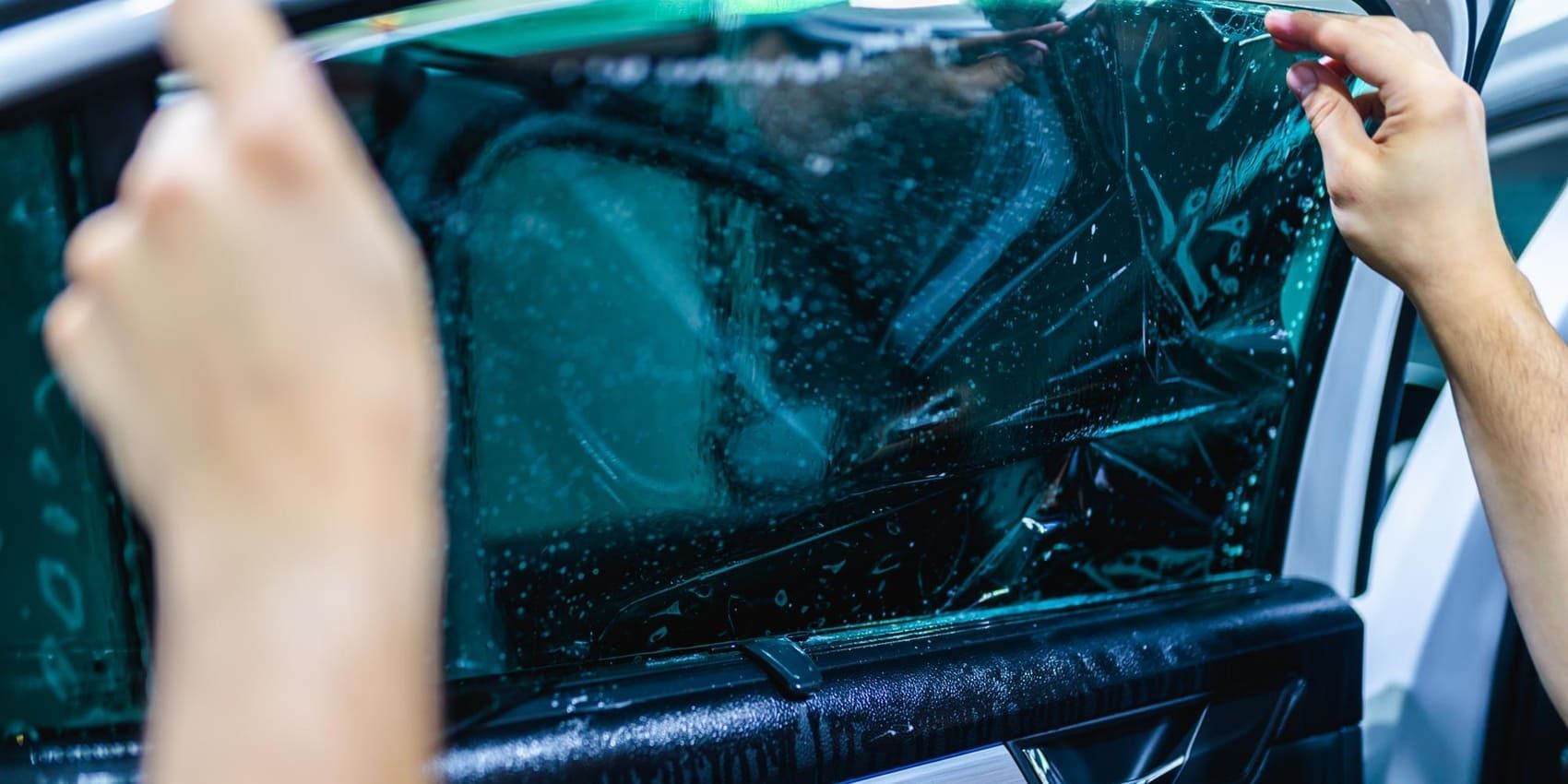
Even the best film can perform poorly if it is installed incorrectly. Night driving is where poor installation shows up fast. Bubbles, contamination, and edge defects can scatter light and create halos. Low quality film or rushed work can also increase haze, which makes glare feel worse at night instead of better.
Professional installation supports safety in three ways:
- Correct VLT selection: A professional can recommend a legal, usable shade that supports night visibility.
- Optical finish: Clean installation reduces distortion and unwanted reflections.
- Compliance details: Proper placement, proper labeling, and correct windshield strip limits help keep you legal.
Solar Shade Truck And Car Paradise installs LLumar FormulaOne Window Tint products and focuses on clarity, glare comfort, and legal compliance for Ohio drivers. If you are unsure what shade is best for your eyes, a consultation can help you choose a film and VLT that fits your driving habits, including night commuting, rural routes, and frequent rain driving.
FAQ: Can tint improve night driving or make it worse?
Does darker tint reduce night visibility?
Yes. Lower VLT tint reduces the amount of visible light that reaches your eyes, which can make it harder to see details at night. The key is choosing a VLT that you can safely see through on the darkest roads you drive.
What is the best tint for night driving?
For most drivers, a lighter VLT paired with a high clarity ceramic film is the best balance. Many drivers prefer 50 percent or lighter on front side windows for night visibility, depending on Ohio legal limits and personal comfort.
Can tint actually reduce headlight glare?
Tint can reduce the intensity of bright light entering through side glass and can reduce discomfort. It will not remove glare completely, and results depend on film quality, shade, and windshield condition.
Is ceramic tint better than standard film for glare reduction?
Ceramic films are often chosen for their clarity, low reflectivity, and performance at lighter shades. This can help drivers who want comfort improvements without going dark.
Is 20 percent tint safe at night?
It depends on your eyesight and where you drive. Many drivers find 20 percent noticeably dark at night on front side windows. It is more commonly used on rear windows where visibility demands are different.
Is 35 percent tint a good compromise for night driving?
For some drivers, 35 percent feels balanced. For others, especially those who drive rural roads, it may still feel too dark. A test based on your typical routes is best.
What are the legal tint limits in Ohio?
Front side windows must allow more than 50 percent of light in. Rear windows on passenger cars must allow more than 50 percent. SUVs and trucks can have darker rear windows with no VLT restriction. Windshield tint is limited to above the AS-1 line or the top 5 inches.
Can I tint my windshield for glare control in Ohio?
You can install a legal windshield strip above the AS-1 line or within the top 5 inches. Tint below that area is not permitted.
Will tint interfere with cameras or sensors?
Most standard side window tint does not affect vehicle sensors. Windshield areas near cameras should be handled carefully. A professional installer can plan around ADAS camera housings when needed.
How do I know what shade is right for me?
Consider your night driving frequency, road lighting, and comfort with darker glass. A professional consultation and a focus on high clarity film help you choose a shade that supports both comfort and safety.
Conclusion: improve glare control without hurting night driving
Window tint can improve driving comfort by softening harsh light and reducing glare through side glass, but it can also make night driving worse if the tint is too dark or poorly installed. The safest approach for Ohio drivers is to prioritize visible light transmission that preserves night detail, choose a high clarity film designed for low haze, and stay within Ohio legal limits. Ceramic technology and premium products like LLumar FormulaOne Auto Window Tinting can deliver comfort and performance at lighter shades, which is often the best path for drivers concerned about night visibility.
If you want expert guidance on a tint setup that fits your eyes, your routes, and your vehicle,
contact Solar Shade Truck And Car Paradise in
Waynesville, OH. We install LLumar FormulaOne Window Tint products engineered for superior clarity, glare reduction, and heat rejection while maintaining legal compliance and safe night visibility. Call today for a
free estimate tailored to your driving habits and visibility needs.