2026 Legal Limits for Car Window Tinting in Ohio
For vehicle owners in Waynesville, OH and across the state, understanding and following
car window tint laws in Ohio is essential in 2026. With advancements in tint materials and increasing concern about heat, glare, and
harmful UV rays,
window tinting remains a popular upgrade. Yet Ohio enforces strict rules about how dark or reflective your tint can be. Violations can not only lead to costly tickets and fines but may also result in being legally required to remove non-compliant tint. Staying up to date with legal tint limits means you can
protect your car’s interior,
reduce heat, and enjoy greater privacy—without risking citations, insurance hassles, or vehicle inspection failures. In this definitive 2026 guide, we cover what all Ohio drivers should know: legal VLT percentages by vehicle type, windshield restrictions, measurement methods, and tips for choosing high-performance, compliant options like
LLumar FormulaOne window tint from Solar Shade Truck And Car Paradise in Waynesville.
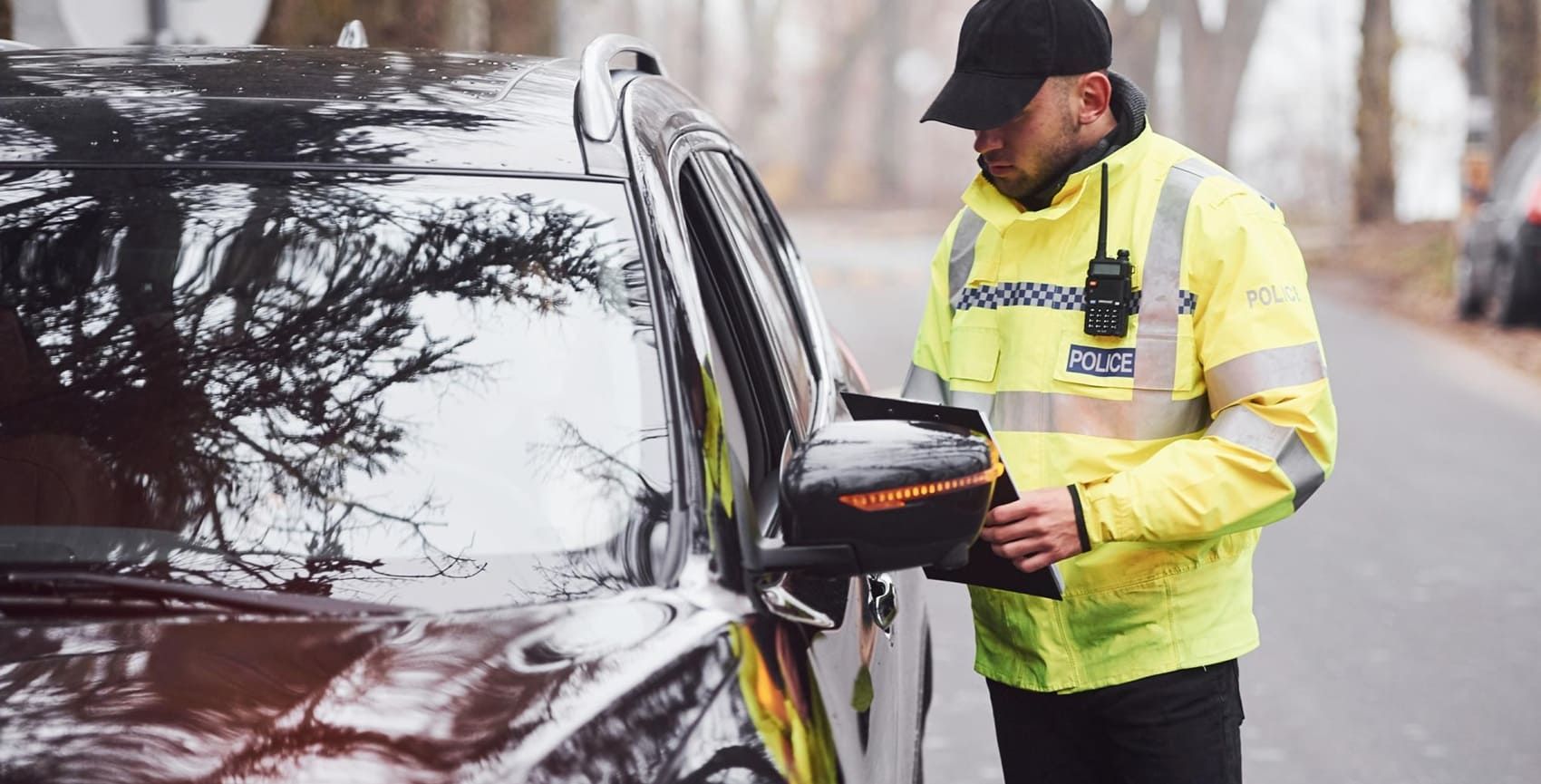
Table of Contents
- Overview of Ohio Window Tint Laws for 2026
- VLT Requirements for Sedans, SUVs, Trucks, and Vans
- Windshield Tint Regulations and Placement Rules
- Reflectivity, Color, and Prohibited Tint Materials
- How Law Enforcement Measures Window Tint in Ohio
- Penalties and Compliance Steps for Illegal Tint
- Choosing Legal Window Tint for Comfort and Protection
- FAQ: Common Ohio Tint Law Questions
- Conclusion and Next Steps
Overview of Ohio Window Tint Laws for 2026
Ohio window tint laws regulate the darkness or lightness of tint on vehicle windows. These rules are designed to ensure driver safety, maintain clear visibility on highways, and prevent excessive glare, especially during nighttime. In 2026, Ohio’s laws are strictly enforced across Waynesville and the entire state. Understanding the basics—including what VLT (Visible Light Transmission) means and how it’s measured—prepares you to make informed, legal tinting decisions. VLT is the percentage of visible light allowed to pass through the combined window glass and tint film. The lower the VLT, the darker the tint. Legal car window tint Ohio means you must stay within these rules for each window, or risk penalties and inspection failures.
VLT Requirements for Sedans, SUVs, Trucks, and Vans
Each type of vehicle is subject to specific VLT requirements in 2026. The following table outlines the legal minimums for each window by vehicle type. Always confirm these values with your tint installer before applying any film.
| Vehicle Type | Front Side Windows | Rear Side Windows | Rear Window |
|---|---|---|---|
| Sedans | 50% VLT or higher | 50% VLT or higher | 50% VLT or higher |
| SUVs/Trucks/Vans | 50% VLT or higher | Any darkness allowed | Any darkness allowed |
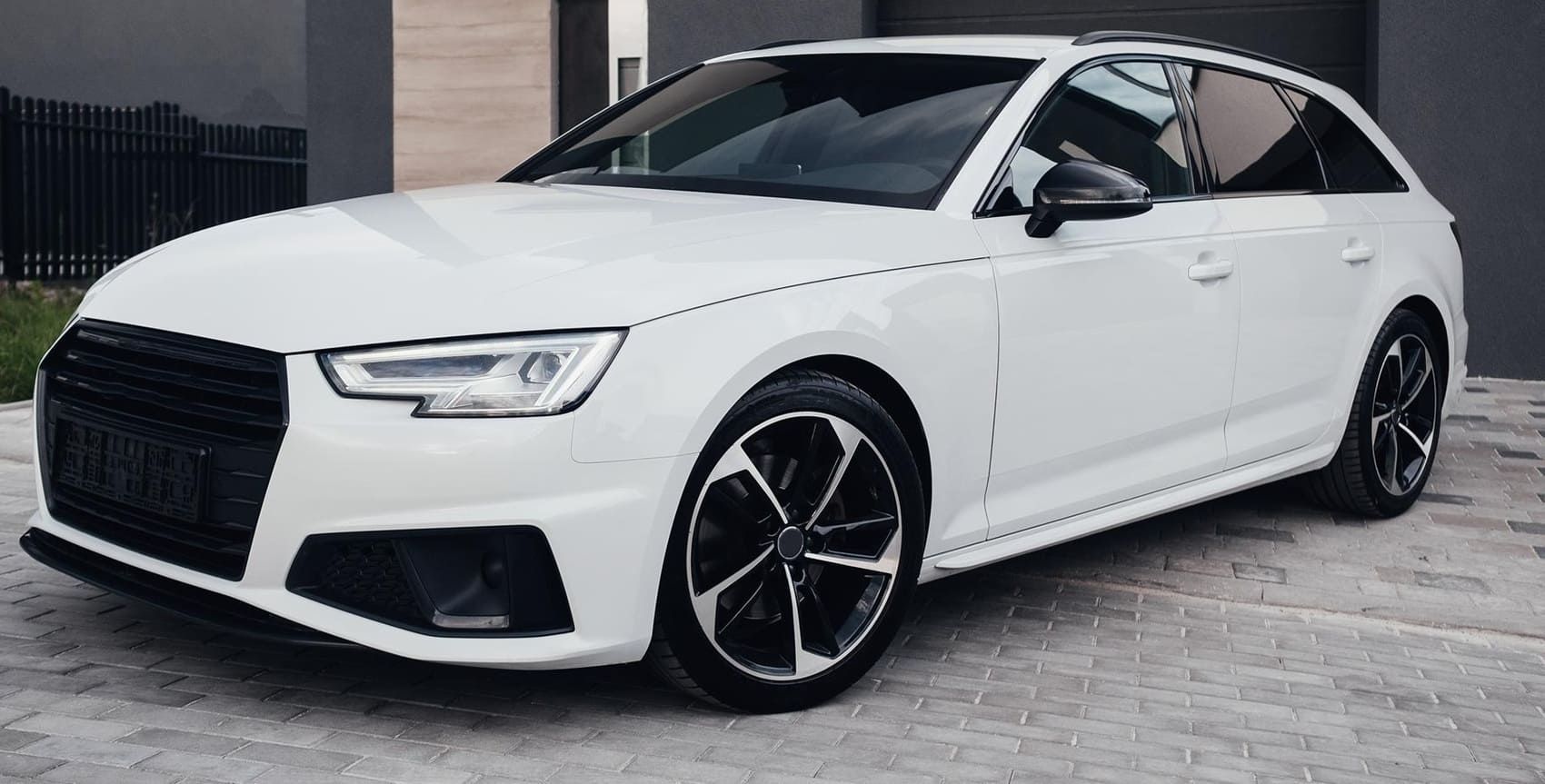
These are the legal limits for aftermarket tint in Ohio. Factory tint is sometimes darker, especially for rear windows on SUVs and trucks, but compliance is based on the VLT as measured on your windows. LLumar FormulaOne window tint products are available in a range of shades to match both Ohio’s requirements and your personal style.
Windshield Tint Regulations and Placement Rules
Ohio window tint laws are particularly strict about windshield tinting. No tint is permitted below the AS-1 line (a marking near the top of most windshields) or the top five inches, whichever is greater. Tint in this area must be non-reflective and must not block or obscure your view. No tinting is permitted on the rest of the windshield. Legal car window tint Ohio installers in Waynesville, such as Solar Shade Truck And Car Paradise, ensure any windshield strip is within legal boundaries and free of prohibited colors or reflectivity.
Reflectivity, Color, and Prohibited Tint Materials
Ohio regulates how much reflectivity your tint film can have, as well as the types of materials or colors permitted:
- Reflectivity: Window tint must be non-mirrored and not more reflective than standard glass. Highly reflective or metallic tints are prohibited.
- Color Restrictions: Red and amber tints are not allowed on any vehicle window. All other shades—such as charcoal or gray—must be tested for compliance.
- Materials: Prohibited films include chrome, mirrored, or other highly reflective finishes.
If you want the style of a premium film without risking a traffic stop, ask your installer for
compliant options from LLumar FormulaOne window tint. These films offer advanced solar, infrared, and UV protection without violating Ohio law.
How Law Enforcement Measures Window Tint in Ohio
Officers measure window tint using a device called a photometer or tint meter. During an inspection or traffic stop, police will place the meter on the window to read the combined VLT of your glass and tint. If your film is too dark or too reflective, you may be ticketed and required to remove the tint. It’s important to note that factory tint does count toward the VLT limit, so don’t assume aftermarket film will automatically comply. Ask your installer to test each window after installation to avoid legal issues—and keep your compliance paperwork on file.
Penalties and Compliance Steps for Illegal Tint
Penalties for illegal window tint in Ohio may include fines, points on your license, or even mandatory tint removal within a specified timeframe. If cited, you must bring your vehicle into compliance and show proof to law enforcement or the Bureau of Motor Vehicles (BMV). In some cases, your insurer may also require documentation to maintain coverage. Repeat violations may carry increased fines and can complicate vehicle inspections or renewals. Work with a professional installer who prioritizes compliance to avoid these expensive and time-consuming issues.
Choosing Legal Window Tint for Comfort and Protection
Legal tints do not have to sacrifice comfort or performance. LLumar FormulaOne window tint, installed by Solar Shade Truck And Car Paradise in
Waynesville OH, provides superior heat rejection, glare reduction, and up to 99% UV protection—all while offering options that meet legal car window tint Ohio regulations. Ask your installer for guidance on:
- Matching VLT to your vehicle’s factory glass
- Selecting heat-resistant and non-metallic ceramic or hybrid films
- Testing each window before leaving the shop
- Getting a compliance certificate or records for your files
- Legal tint strips for windshields as allowed by Ohio law
FAQ: Common Ohio Tint Law Questions
How is window tint measured by police in Ohio?
Officers use a tint meter to check the VLT through your glass and film. If it’s too low, you may be fined.
Does factory tint count toward legal limits?
Yes, legal compliance is based on total measured VLT, including factory glass tint.
What’s the legal VLT for my front side windows in 2026?
Sedans, SUVs, trucks, and vans must have at least 50% VLT on the front side windows.
Are there medical exemptions for darker tint in Ohio?
Yes, medical exemptions are available with proper documentation. Ask your installer about applying and about required paperwork.
Do rear side windows have different rules for SUVs and trucks?
Yes. For rear side and rear windows of SUVs, trucks, and vans, any amount of tint is allowed. Sedans must have 50% VLT.
Does my windshield have to be completely clear?
No, a non-reflective tint strip is permitted on the top five inches or above the AS-1 line—whichever is greater.
Are there color restrictions for tint in Ohio?
Red and amber tints are prohibited. Charcoal and gray are typically allowed if tested for compliance.
How can I check if my tint remains legal over time?
Have your installer check annually or after any glass replacement. Maintain receipts and original compliance documents.
How will window tint affect night driving visibility?
Legal 50% VLT tint maintains clear visibility. Darker, non-legal tints can significantly impair safe nighttime driving.
What steps should I take if I’m cited for illegal tint?
Remove the non-compliant film, have your glass retested, and provide proof of compliance to authorities to clear the citation.
Conclusion and Next Steps
Ohio window tint laws for 2026 require every driver to know the legal VLT limits, approved colors, and specific installation rules to avoid fines, hassle, and inspection failures. By choosing high-quality, compliant products like
LLumar FormulaOne window tint, professionally installed by
Solar Shade Truck And Car Paradise in
Waynesville, OH, you can drive with confidence, knowing your tint meets the latest legal standards while protecting your vehicle and passengers.
Contact Solar Shade Truck And Car Paradise for a
free estimate, expert guidance, and legal window tint installations that maximize comfort, reject heat, and deliver style—all in full compliance with Ohio law. Schedule your consultation today to enjoy safer, cooler, and more stylish driving in 2026!