Is Ceramic Coating Worth It for Trucks in Ohio in 2026?
If you own a truck in Waynesville, OH or anywhere in the greater Dayton and Cincinnati area, you already know what Ohio weather does to a vehicle. Harsh winters, heavy road salt applications, freeze-thaw cycles, UV-intense summers, and everything in between put relentless stress on your truck's paint. Ceramic coating is marketed as a long-term protective solution that addresses all of these threats, but it is not the right fit for every truck owner or budget.
The value of ceramic coating depends heavily on how the truck is used, how often it is driven, how it is stored, and what the owner expects from the product. A professionally applied ceramic coating can be one of the smartest investments a truck owner makes in 2026, but only when it aligns with the vehicle's condition, the owner's maintenance habits, and long-term ownership goals.
This guide is built for Warren County, Dayton, and Cincinnati area truck owners who want a clear, honest answer before making a decision. We cover what ceramic coating does, what it costs, how it holds up against Ohio road salt and weather, and how it compares to paint protection film and traditional waxing.
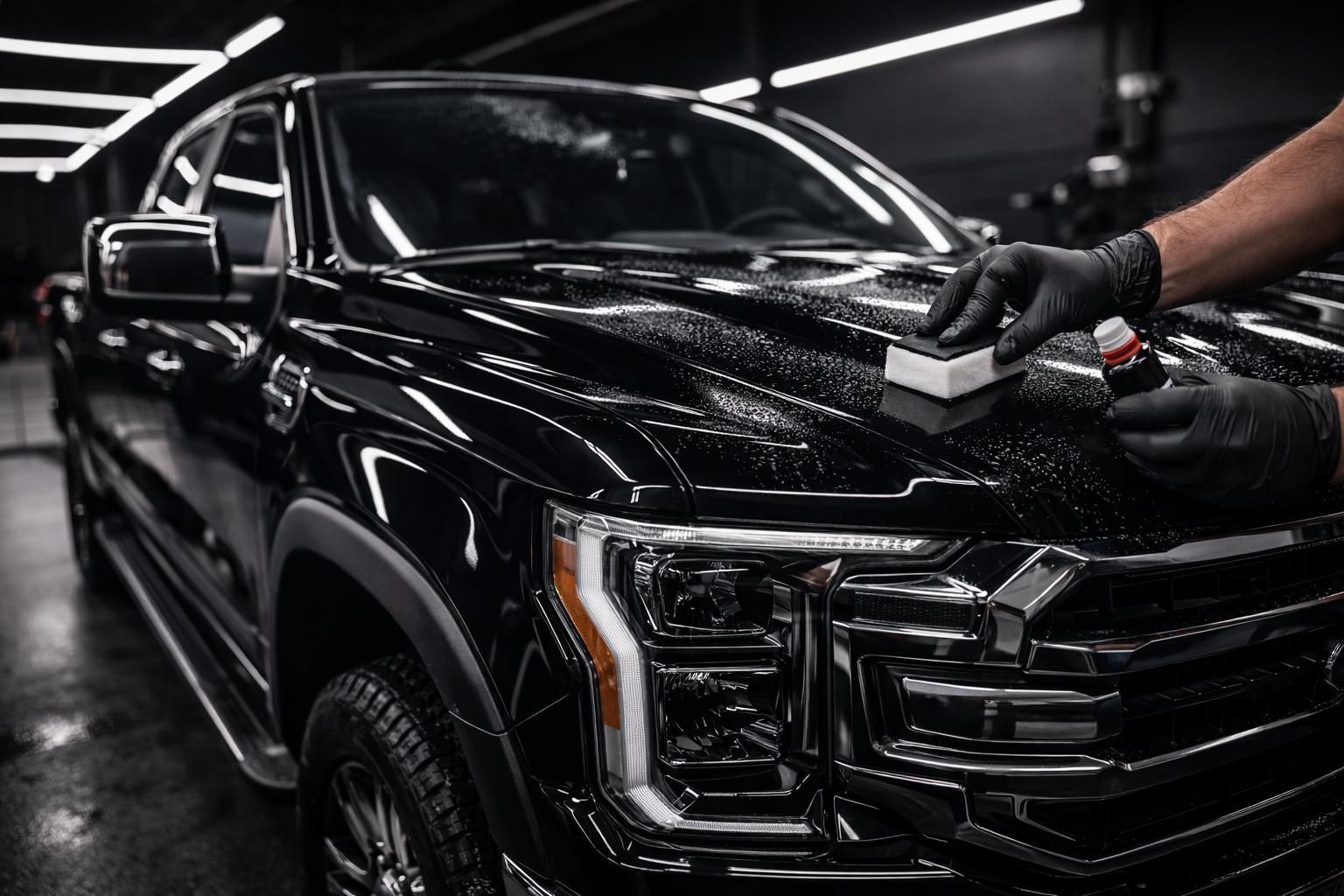
Table of Contents
1. What Ceramic Coating Is and How It Protects Truck Paint
2. Why Ohio Weather and Road Salt Make Paint Protection Important
3. Benefits of Ceramic Coating for Trucks
4. Ceramic Coating Cost vs. Long-Term Value
5. Ceramic Coating vs. Paint Protection Film vs. Waxing: Which Is Right for You
6. How Long Ceramic Coating Lasts and What Maintenance It Requires
7. Is Ceramic Coating Worth It in 2026? Who Should (and Should Not) Get It
8. Frequently Asked Questions
9. Conclusion and Next Steps
1. What Ceramic Coating Is and How It Protects Truck Paint
Ceramic coating is a liquid polymer that bonds chemically to a vehicle's factory paint and cures into a hard, semi-permanent protective layer. Unlike waxes or sealants that sit on top of the paint and eventually wash away, a properly applied ceramic coating integrates with the clear coat and creates a durable shell that cannot be removed by routine washing, rain, or road exposure.
How the Bond Works
The active ingredient in professional-grade ceramic coatings is silicon dioxide (SiO2), sometimes combined with titanium dioxide (TiO2) for additional hardness. When applied to a prepared paint surface, these nano-particles fill microscopic pores and imperfections in the clear coat, creating a surface that is smoother, harder, and more hydrophobic than bare paint. Water, mud, road salt brine, bird droppings, and chemical contaminants cannot bond to the surface as easily, which makes the coating self-cleaning to a significant degree.
What Ceramic Coating Protects Against
A professionally applied ceramic coating provides meaningful protection against UV radiation and oxidation, chemical etching from bird droppings and industrial fallout, light surface swirl marks from routine washing, road grime and salt contamination, and fading and dulling of the paint surface over time. It is important to note that ceramic coating is not a self-healing product and does not prevent rock chips, deep scratches, or physical impact damage. Those threats are addressed more effectively by paint protection film, discussed in section five.
Professional vs. Consumer-Grade Ceramic Coatings
There is a significant difference between professional-grade ceramic coatings and the spray-on consumer products sold at auto parts stores. Professional coatings are applied in a controlled environment after thorough paint decontamination and correction, and they cure to a much harder, more durable finish than consumer products. For Ohio truck owners who want real protection against road salt and weather, professional installation is the only option worth considering.
2. Why Ohio Weather and Road Salt Make Paint Protection Important
Ohio's climate is one of the most demanding environments for vehicle paint in the continental United States. Understanding why requires looking at each seasonal threat in sequence.
Winter Road Salt and Chemical Attack
Ohio applies millions of tons of road salt each winter season across its highway and municipal road systems. The sodium chloride and magnesium chloride blends used in modern pre-treatment applications are highly aggressive to bare paint and clear coat. Salt brine is electrically conductive and accelerates oxidation on any exposed metal or compromised paint surface. For trucks with stone chips, scratches, or aging clear coat, winter road exposure in Warren County, the Dayton metro area, and the Cincinnati corridor can cause visible paint degradation within just a few seasons.
Freeze-Thaw Cycles and Thermal Expansion
Ohio winters subject vehicle paint to repeated thermal cycling as temperatures swing above and below freezing within single 24-hour periods during transition months. This causes microscopic expansion and contraction in the paint layers that weakens adhesion between the clear coat and base coat over time. A ceramic coating adds a protective outer layer that absorbs some of this thermal stress and slows the degradation of the underlying paint system.
UV Exposure During Ohio Summers
Summer in Southwest Ohio brings significant UV exposure that fades and oxidizes paint, particularly on horizontal surfaces like hoods, roofs, and bed covers that receive direct overhead sun throughout the day. Trucks parked outdoors in Waynesville or at job sites across Warren County are especially vulnerable. UV-induced oxidation strips the gloss from paint and breaks down clear coat in a process that is slow but essentially irreversible without paint correction or respray.
Spring Mud, Rain, and Contamination Season
Spring in Ohio brings road spray, agricultural runoff, pollen, tree sap, and industrial fallout that deposit onto and chemically bond with bare paint surfaces. Without a protective coating, these contaminants etch into the clear coat when left to bake in heat and UV. For trucks used in rural Warren County or on job sites in the Dayton and Cincinnati areas, spring contamination accumulation is a genuine paint threat that ceramic coating directly addresses.
3. Benefits of Ceramic Coating for Trucks
For truck owners who invest in professional ceramic coating, the practical benefits extend well beyond aesthetics. Here is what Ohio truck owners can expect from a quality professional-grade installation.
UV Protection and Oxidation Resistance
A professional ceramic coating provides a UV-blocking barrier that significantly slows the oxidation and fading process on all exterior paint surfaces. For trucks that spend extended time outdoors in Southwest Ohio's summer sun, this benefit alone extends the life of the paint's gloss and color depth noticeably compared to unprotected or wax-only vehicles.
Chemical Resistance Against Road Salt and Bird Droppings
The hardened ceramic layer resists chemical attack from road salt, bird droppings, bug splatter, tree sap, and industrial fallout. These contaminants sit on the surface rather than bonding immediately with the paint, giving the owner a wider window to wash them off before etching occurs. In Ohio's road salt season, this chemical resistance is one of the most practically relevant benefits for daily driver trucks.
Hydrophobic Sheeting and Easier Cleaning
One of the most noticeable immediate benefits of ceramic coating is the hydrophobic effect. Water beads aggressively and sheets off the surface during rain or washing, taking road grime, salt residue, and light contamination with it. Trucks that previously needed aggressive scrubbing to remove road salt deposits require far less effort to keep clean after ceramic coating. Over a winter season with regular Ohio road salt exposure, the time saved on washing is tangible.
Gloss Retention and Depth of Finish
Professional ceramic coating enhances the depth and clarity of the paint's finish immediately after application and maintains that level of gloss for years rather than weeks. For truck owners who take pride in their vehicle's appearance, the long-term gloss retention of ceramic coating versus the rapid dulling of waxed or unprotected paint is a compelling visible difference.
Resale Value Protection
A truck with paint that has been professionally protected and maintained in excellent condition commands stronger resale and trade-in offers than an equivalent truck with oxidized, salt-damaged, or swirl-marked paint. In the competitive used truck market across the Dayton and Cincinnati metro areas, paint condition is one of the first things buyers and dealers evaluate.
4. Ceramic Coating Cost vs. Long-Term Value
Professional ceramic coating for trucks in the Waynesville, Dayton, and Cincinnati area typically ranges from $700 to $2,000 or more depending on the coating tier selected, the size of the truck, whether paint correction is required before application, and whether additional surfaces such as glass, wheels, and trim are included.
Why Paint Correction Affects the Final Price
Ceramic coating bonds to and locks in whatever condition the paint is in at the time of application. If the paint has swirl marks, light scratches, water spots, or oxidation, those defects will be preserved under the coating permanently. Most professional installers require a paint correction step before applying ceramic coating on paint that is not in near-perfect condition. This adds to the total cost but is essential for a quality result that the owner will be happy with for years.
The Long-Term Value Calculation
Compare the cost of a professional ceramic coating against the ongoing cost of frequent waxing, detailing, and eventual paint correction if paint degrades. A truck waxed four times per year at $150 to $200 per service costs $600 to $800 annually, with rapidly diminishing paint protection between applications. Over a five-year period, that same investment can approach or exceed a one-time ceramic coating cost, without providing anywhere near the same level of UV, chemical, or environmental protection. For truck owners in Ohio who plan to own their vehicle for three or more years, the long-term value math typically favors ceramic coating over repeated short-term wax treatments.
5. Ceramic Coating vs. Paint Protection Film vs. Waxing: Which Is Right for You
Each paint protection option serves a different purpose and fits a different budget and use case. Here is how the three main options compare across the factors that matter most for Ohio truck owners.
| Factor | Ceramic Coating | Paint Protection Film (PPF) | Traditional Wax |
|---|---|---|---|
| Average Cost | $700 to $2,000+ (full truck) | $1,500 to $5,000+ (full truck) | $100 to $300 per application |
| Durability and Lifespan | 2 to 7+ years depending on tier and maintenance | 5 to 10+ years with proper care | 4 to 12 weeks typical |
| UV Protection | Excellent | Excellent | Moderate to low |
| Chemical and Salt Resistance | Excellent | Excellent | Low to moderate |
| Rock Chip and Scratch Resistance | Minimal (surface hardness only) | Excellent (physical impact absorption) | None |
| Self-Healing Capability | No | Yes (on most premium PPF products) | No |
| Maintenance Requirements | Low (periodic ceramic-safe washing) | Low to moderate | High (reapplication every 4 to 12 weeks) |
| Application Time | 1 to 2 days including cure time | 1 to 3 days depending on coverage area | 1 to 3 hours |
| Resale Value Impact | Positive, well-maintained paint adds value | Strongly positive, preserved factory paint is highly valued | Minimal long-term impact |
| Best Use Case | Daily driver protection, gloss retention, chemical and UV defense | High-impact protection, rock chips, leading edge coverage | Occasional use vehicles, short-term appearance maintenance |
Combining Ceramic Coating and Paint Protection Film for Ohio Winters
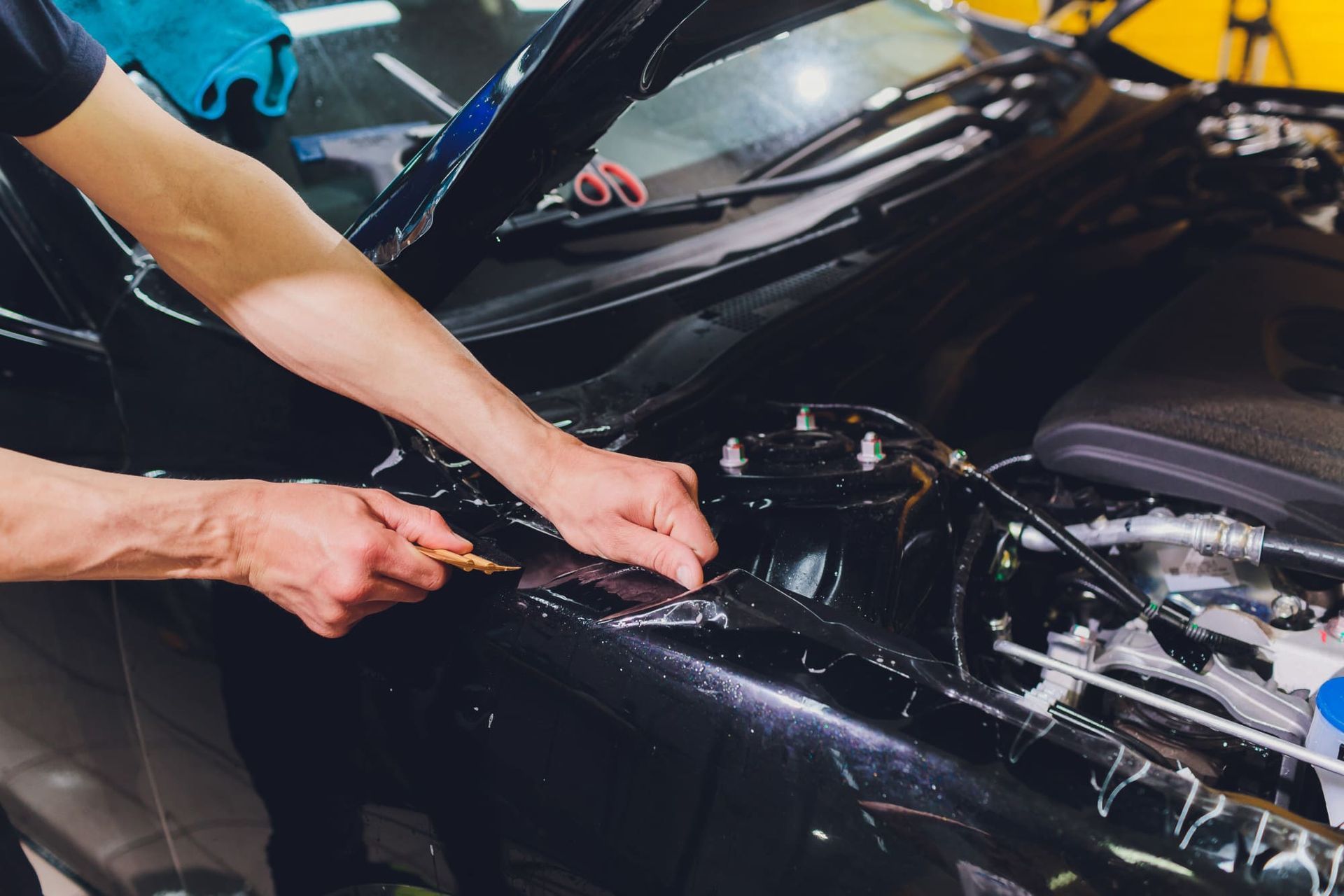
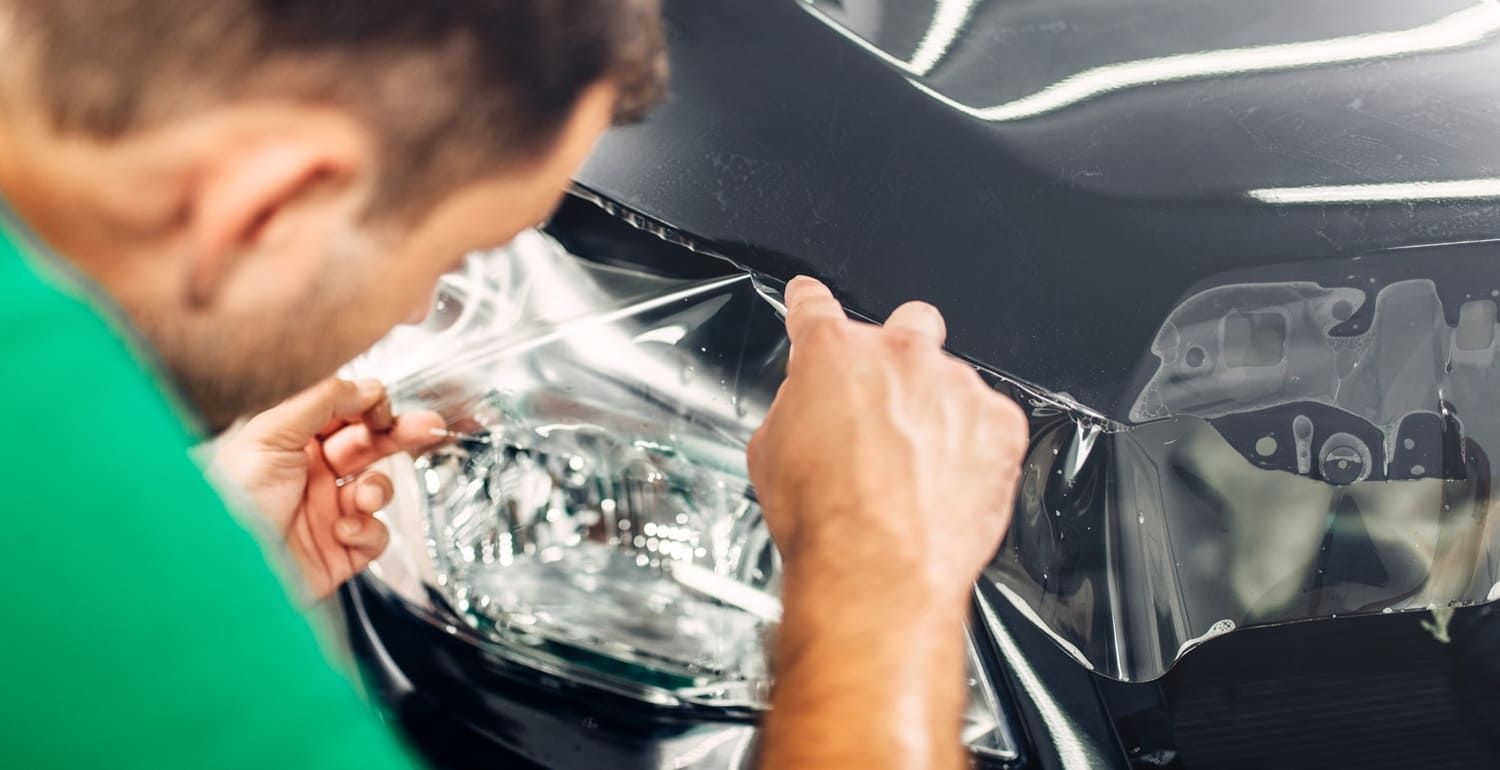
For Ohio truck owners who want the most complete protection available, combining paint protection film and ceramic coating on the same vehicle is the premium solution. PPF is applied to the highest-impact areas, typically the full front bumper, hood leading edge, fenders, rocker panels, and door edges, which are the surfaces most vulnerable to rock chips, road debris, and salt spray coming off the highway. Ceramic coating is then applied over the PPF and on all remaining painted surfaces.
This layered approach gives the truck physical impact protection where it needs it most, while the ceramic coating over the PPF extends the film's life, makes it easier to clean, and maintains an even glossy appearance across the entire vehicle. For truck owners in the Waynesville area who drive regularly on rural county roads or interstate highways in Warren County and surrounding counties, this combination provides the most comprehensive defense against Ohio's specific road hazards and weather conditions.
| Protection Layer | Coverage Area | Primary Function | Combined Benefit for Ohio Drivers |
|---|---|---|---|
| Paint Protection Film (base layer) | Hood leading edge, front bumper, fenders, rockers, door edges | Physical impact absorption, rock chip and scratch prevention | Shields highest-risk panels from road debris and salt spray impact |
| Ceramic Coating (over PPF and remaining paint) | All remaining painted surfaces plus over PPF | UV protection, chemical resistance, hydrophobic performance, gloss | Extends PPF life, protects all surfaces from salt and UV, simplifies winter washing |
6. How Long Ceramic Coating Lasts and What Maintenance It Requires
Ceramic coating lifespan varies based on the coating tier, the quality of the application, and how the vehicle is maintained after installation. Entry-level professional coatings typically last two to three years. Mid-tier coatings are rated for four to five years. Premium multi-layer coatings from professional installers can carry seven-year or lifetime ratings when properly maintained.
What Affects Coating Longevity
Several variables affect how long a ceramic coating performs at its rated level. Outdoor parking accelerates UV degradation and exposes the coating to more environmental contamination than a garaged vehicle. Frequent highway driving in Ohio winters means heavier salt exposure than a vehicle used primarily for weekend drives. Washing frequency and technique also matter: ceramic-coated vehicles should be washed using the two-bucket method with pH-neutral, ceramic-safe soaps to avoid stripping or contaminating the coating over time.
Maintenance Requirements After Ceramic Coating
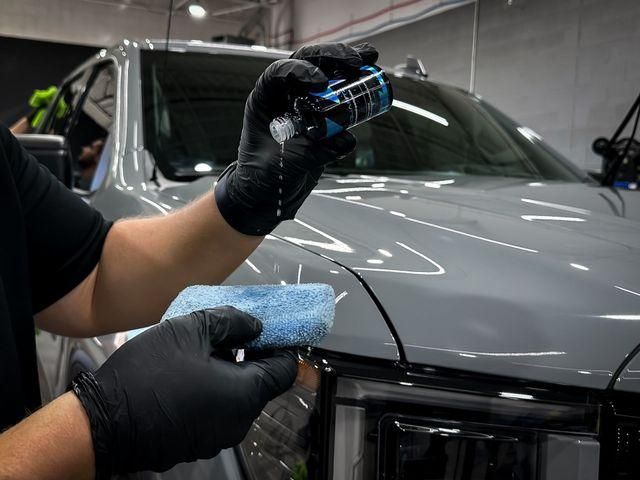
Ceramic coating significantly reduces the maintenance burden compared to waxed vehicles, but it does not eliminate maintenance entirely. After installation, the coating should be washed regularly using ceramic-safe products to prevent contamination buildup. Applying a ceramic booster or topper product once or twice per year helps restore hydrophobic performance and extends the effective life of the base coating. Avoid automatic car washes with harsh brushes or aggressive chemicals that can scratch or chemically degrade the coating surface.
The Importance of Proper Curing
In Ohio, seasonal timing matters for ceramic coating installation and initial curing. The coating requires a cure period of 24 to 48 hours or more after application during which the vehicle should not be exposed to water, frost, or heavy contamination. Most professional installers will advise on optimal scheduling based on weather conditions. Installing before an Ohio winter sets in, or during dry stretches in spring or fall, is generally the recommended approach for truck owners in the Waynesville and Warren County area.
7. Is Ceramic Coating Worth It in 2026? Who Should (and Should Not) Get It
For most truck owners in Ohio who plan to own their vehicle for three or more years, ceramic coating is worth the investment. But understanding which truck owners benefit most, and which are better served by other options, leads to the right decision for each specific situation.
Ceramic Coating Is a Strong Choice For:
Truck owners who keep their vehicles for five or more years will benefit the most from the long-term paint protection and reduced maintenance costs. Owners who prioritize appearance and want their truck to hold its gloss and color depth through Ohio winters without constant detailing will find ceramic coating delivers exactly that. Truck owners who plan to sell or trade in within three to five years and want to maximize resale value will benefit from presenting a vehicle with protected, clean, well-maintained paint. Daily driver truck owners across Dayton and Cincinnati metro area roads who are exposed to heavy road salt, highway grime, and frequent driving conditions are precisely the use case ceramic coating was designed for.
Ceramic Coating May Not Be the Best Fit For:
Truck owners who use their vehicles primarily as work trucks that regularly haul abrasive materials, are scratched by tools and equipment, or spend time off-road in conditions where physical paint damage is frequent may not see the full value of ceramic coating on work surfaces. In those cases, protecting the paint on the cab and visible body panels while accepting wear on the bed and rocker areas is a more realistic approach. Owners on a tight budget who are considering a lower-end DIY ceramic kit should understand that the protection level, lifespan, and finish quality of consumer products are substantially lower than professional installations. If the budget does not support a full professional application, starting with PPF on the highest-risk areas and saving for ceramic coating is often a smarter sequence.
Ceramic Coating in 2026: Why Now Makes Sense
The professional ceramic coating market has matured significantly over the past five years. Product formulations have improved, application techniques have been refined, and the pricing for professional installation has become more competitive. In 2026, the gap between a quality professional ceramic coating and a repeatedly waxed vehicle in terms of appearance, protection, and resale value is larger than it has ever been. For Ohio truck owners who have been considering ceramic coating but putting it off, the technology and the installer network are both at a high point that makes this year a practical time to move forward.
Frequently Asked Questions About Ceramic Coating for Trucks in Ohio
How much does ceramic coating cost for a truck?
Professional ceramic coating for trucks in the Waynesville, Dayton, and Cincinnati area typically ranges from $700 to $2,000 or more depending on the truck's size, the coating tier selected, whether paint correction is needed before application, and how many surfaces (glass, wheels, trim) are included. Contact Solar Shade Truck And Car Paradise for a specific quote based on your truck's condition and coverage goals.
How long does ceramic coating last?
Professional ceramic coating lifespan ranges from two to three years for entry-level coatings to five to seven or more years for premium multi-layer applications. Longevity depends on the coating tier, whether the vehicle is garaged or parked outdoors, driving habits, and how consistently the vehicle is washed and maintained with ceramic-safe products after installation.
Does ceramic coating protect against road salt and rust?
Ceramic coating provides a chemical-resistant barrier that significantly reduces the ability of road salt and salt brine to bond with and attack the painted surface. It does not make a truck rust-proof, but it meaningfully slows the degradation process on painted panels by sealing out moisture and chemical contaminants. For areas with the highest rust risk, such as rocker panels and wheel wells, combining ceramic coating with PPF provides the most complete protection.
Is ceramic coating better than wax?
Yes, in almost every measurable category. Ceramic coating lasts years rather than weeks, provides substantially stronger UV and chemical resistance, creates a harder surface that resists light swirl marks, and delivers hydrophobic performance that wax cannot match. The tradeoff is upfront cost: wax is cheap per application, but its protection cycle is short and the cumulative cost over several years of ownership often exceeds a one-time ceramic coating investment.
Can ceramic coating be combined with paint protection film?
Yes, and for Ohio truck owners this combination is often the recommended approach. Paint protection film is applied to high-impact panels such as the hood, bumper, fenders, and rockers, and ceramic coating is applied over the PPF and on all remaining painted surfaces. This gives the truck physical impact protection where it needs it most while maximizing chemical resistance, UV protection, and gloss on all surfaces.
Does ceramic coating prevent scratches and rock chips?
Ceramic coating adds surface hardness that can reduce light swirl marks from washing, but it does not prevent rock chips or deep scratches from road debris or physical impact. For rock chip and impact protection, paint protection film is the appropriate product. Ceramic coating and PPF serve different but complementary protective functions.
How do I maintain a ceramic coated truck?
Wash the truck regularly using pH-neutral, ceramic-safe soaps and the two-bucket method to minimize swirl marks. Avoid automatic car washes with harsh brushes or aggressive chemical detergents. Apply a ceramic booster or topper product once or twice per year to restore hydrophobic performance. Have the coating inspected annually by your installer to assess whether a maintenance treatment is recommended based on the coating's condition and remaining life.
Is ceramic coating worth it for a daily driver truck?
Yes, daily driver trucks in Ohio are among the best use cases for ceramic coating precisely because they face the highest frequency of road salt, UV, rain, and contamination exposure. A ceramic-coated daily driver is easier to clean, better protected against Ohio's seasonal hazards, and holds its paint condition far longer than a comparable uncoated or wax-only vehicle driven under the same conditions.
Does ceramic coating increase resale value?
Ceramic coating contributes to resale value by preserving the paint's condition over the ownership period. A truck with excellent, well-maintained paint consistently commands stronger offers from private buyers and dealers than a comparable truck with oxidized, salt-damaged, or correction-needed paint. In the competitive used truck market across the greater Dayton and Cincinnati areas, paint condition is a primary evaluation point at every level of the buying process.
How soon after getting a truck can I get it ceramic coated?
New trucks can be ceramic coated shortly after purchase, and doing so before the paint is exposed to road salt, UV, and contamination is the ideal scenario because it eliminates the need for paint correction before application. For trucks with existing paint that has been driven through Ohio winters, a professional paint correction step is typically required before coating to ensure defects are not locked in permanently. Contact Solar Shade Truck And Car Paradise to schedule an inspection and get a clear picture of what your truck's paint needs before coating.
Conclusion: For Most Ohio Truck Owners, Ceramic Coating Is Worth It
Ohio's winters, road salt, UV summers, and year-round weather swings make paint protection a practical necessity rather than a luxury for truck owners who care about their vehicle's long-term condition and value. Ceramic coating does not do everything: it will not stop rock chips, and it is not a substitute for paint protection film on the most impact-vulnerable panels. But for UV defense, chemical resistance, hydrophobic performance, gloss retention, and reduced maintenance over multiple years, professionally applied ceramic coating is the most practical and cost-effective paint protection solution for most truck owners in Waynesville, Warren County, Dayton, and Cincinnati.
The comparison with wax is not close over a three to five year ownership horizon. The comparison with DIY consumer coatings is equally clear when you factor in the application quality, coating durability, and professional warranty backing that a certified installer provides. And for truck owners who want the complete package, combining PPF on high-impact panels with ceramic coating across the entire vehicle creates a layered defense system that is genuinely suited to everything Ohio roads and weather can deliver.
In 2026, the technology is proven, the products are refined, and the professional installation network is ready. If you have been considering ceramic coating for your truck and have been waiting for the right time, that time is now.
Solar Shade Truck And Car Paradise serves truck and car owners in Waynesville, OH and throughout Warren County, the Dayton area, and the greater Cincinnati region. Contact us today for a free paint protection estimate. Whether you are interested in ceramic coating, paint protection film, or a combination of both, our team will evaluate your truck's paint condition and recommend the protection package that fits your vehicle, your driving habits, and your budget. Reach out today and let us show you what professionally applied paint protection looks like.