PPF vs Ceramic Coating: Which Protects Trucks Better?
PPF vs ceramic coating is one of the most common
paint protection questions we hear from truck owners around
Waynesville, OH, Warren County, Dayton, and Cincinnati. Both options can protect your truck’s finish, but they do it in fundamentally different ways, and that difference matters when you are investing real money into keeping your paint looking new. Paint protection film (PPF) is a physical barrier designed to absorb impact and resist abrasion, so it excels at stopping rock chips, scratches, and road debris. Ceramic coating is a thin, chemical resistant layer that boosts gloss, adds hydrophobic behavior, and helps reduce UV damage, staining, and contamination. Many truck owners get the best results by using
PPF and ceramic coating together , because each covers the other’s weak spots. The right choice depends on your priorities, budget, how and where you drive, and how you use your truck day to day. This guide breaks down what each does, what each costs, and how to choose the best solution for your truck paint protection in Waynesville, OH.
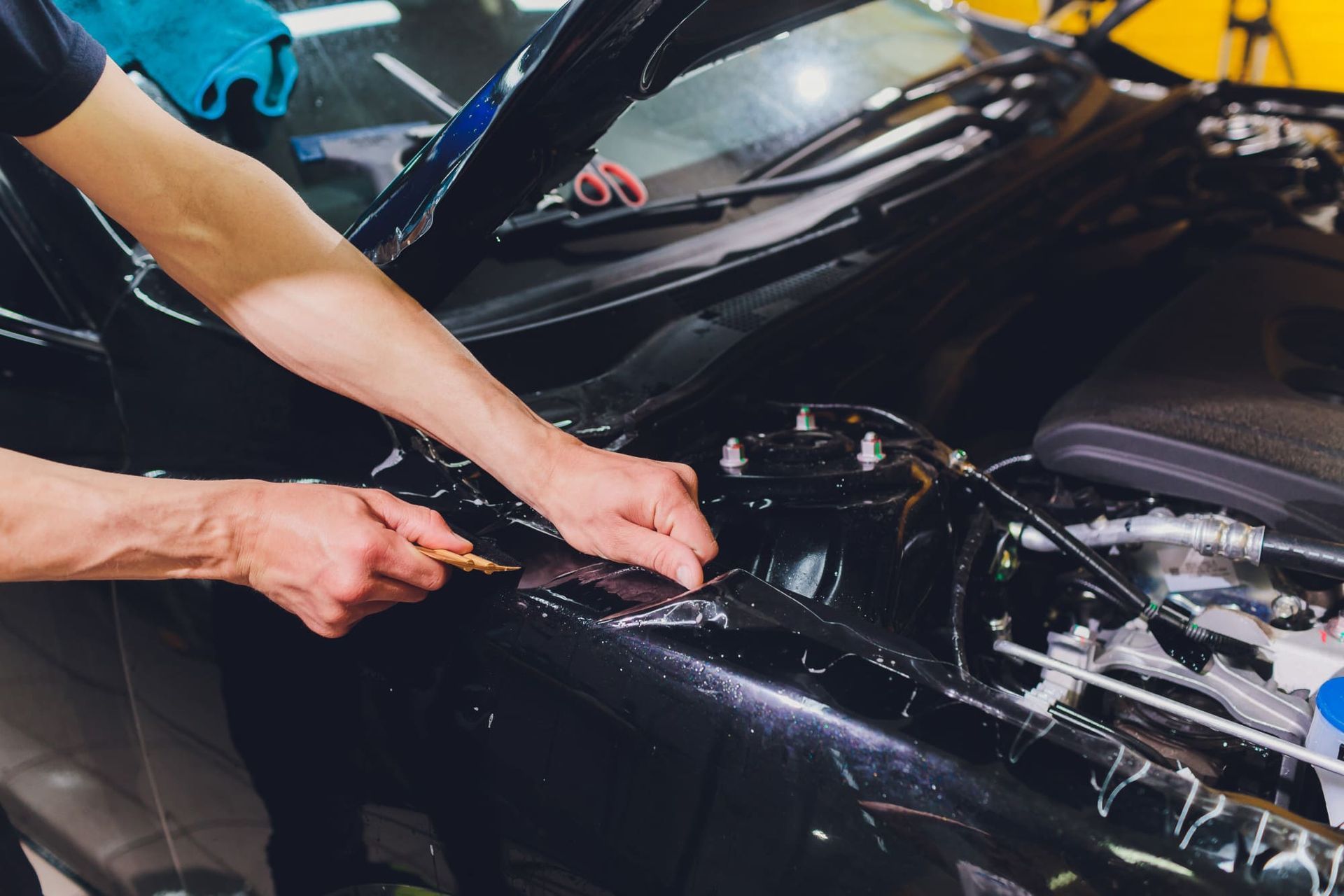
Table of Contents
1. What is paint protection film (PPF) and how does it protect trucks?
2. What is ceramic coating and how does it protect truck paint?
3. Key differences: paint protection film vs ceramic coating for trucks
4. Which is better for your truck: real world scenarios for Ohio drivers
5. Can you combine PPF and ceramic coating for maximum protection?
6. Cost comparison: PPF vs ceramic coating vs combined protection
7. How to choose in Waynesville and Warren County: a practical checklist
1. What is paint protection film (PPF) and how does it protect trucks?
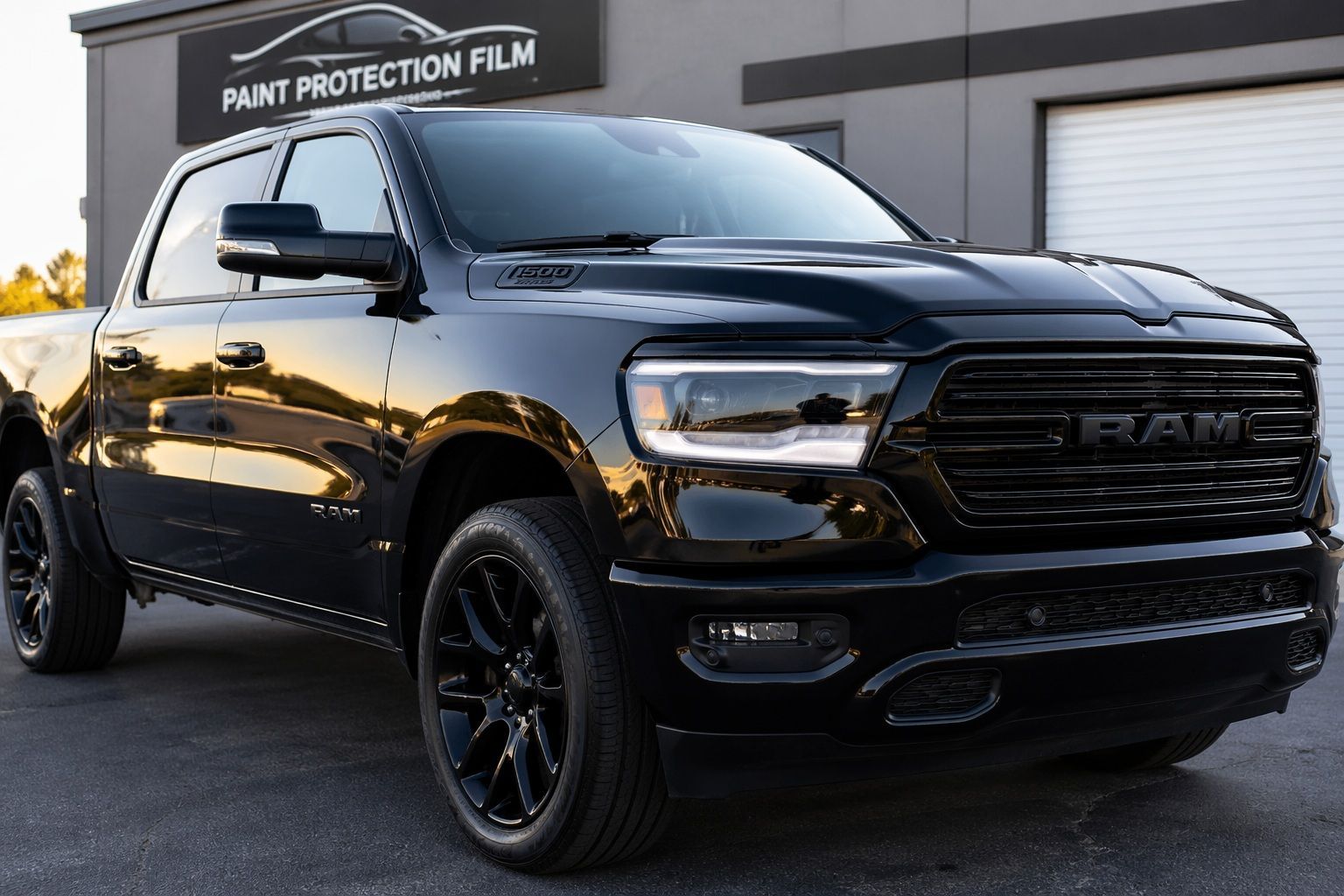
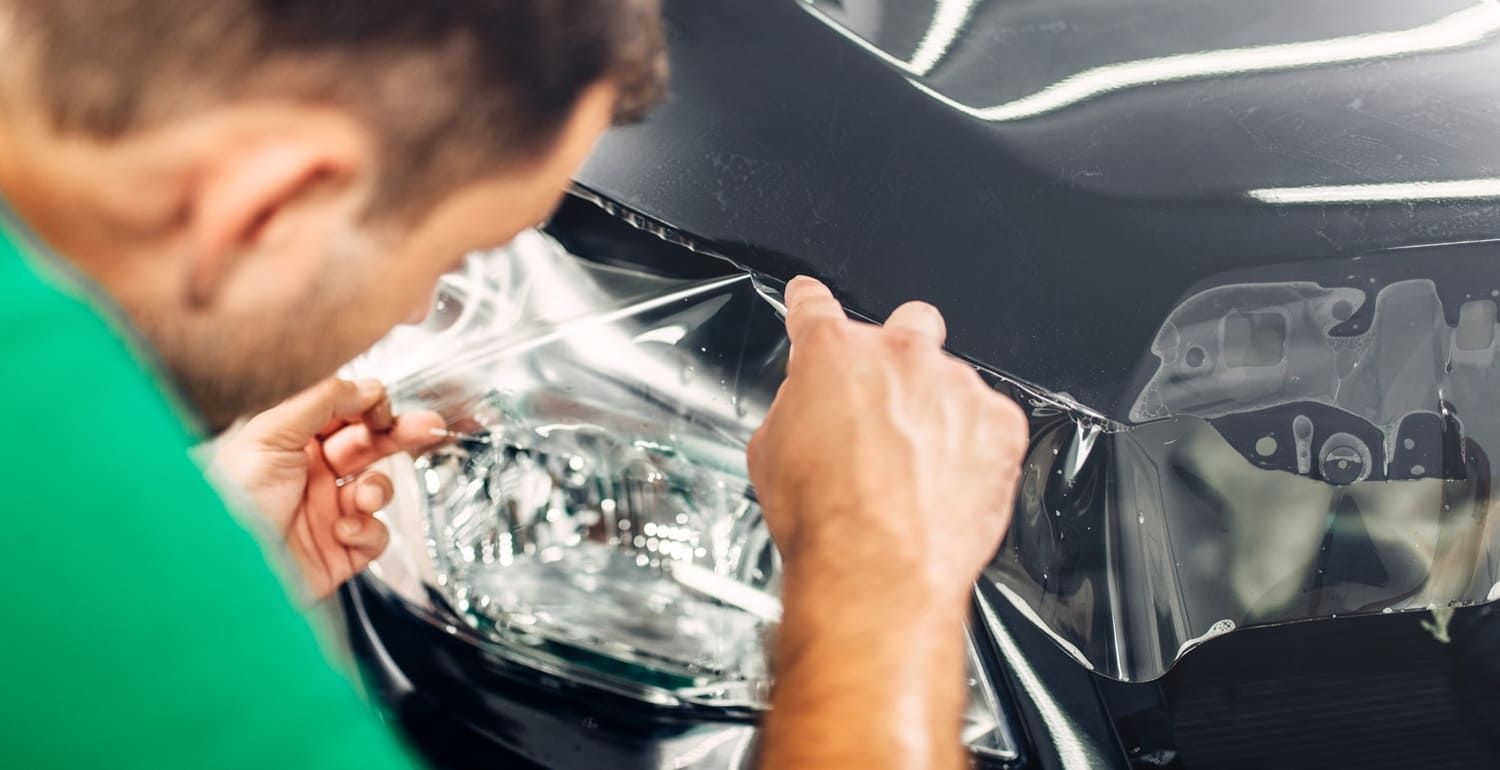
Paint protection film , often called PPF or “clear bra,” is a clear (or sometimes satin) urethane film installed on painted surfaces to act as a sacrificial layer. If you drive highways like I-71, I-75, or routes that connect Warren County to Dayton and Cincinnati, you have seen what road grit and loose gravel can do to a front bumper and hood. PPF is designed for those real impacts.
Direct answer: what PPF protects against
For truck owners, PPF is the top choice when the main risk is physical damage . PPF is most effective against:
- Rock chips on the hood, bumper, fenders, mirror caps, and A-pillars
- Light scratches and brush marks from car washes and everyday contact
- Road debris scuffs, including sand and small stone impacts
- Minor abrasion from branches on back roads and job sites
How PPF works on a truck
Think of PPF as a high grade shield. The film takes the hit first. When debris impacts the surface, the urethane film can absorb and disperse energy before it reaches the clear coat and paint below. This is why a well installed film can reduce the risk of paint chipping even when you drive behind dump trucks, through construction zones, or on winter damaged roads.
Most modern PPF products also have a “self-healing” top layer that can reduce the appearance of fine swirls and light scratches when warmed by sun or hot water. It is not magic and it will not heal a gouge, but it can help keep the finish cleaner and glossier between washes.
Where PPF makes the biggest difference on Ohio roads
In this region, trucks frequently see a mix of highway miles, rural roads, and winter conditions. A few common use cases where PPF provides immediate value include:
- Daily commuters driving from Waynesville to Dayton or Cincinnati. Long highway runs increase rock chip risk.
- Work trucks that park at job sites. Dust, gravel, and tools increase scratch and scuff exposure.
- Towing and hauling . Towing can place you behind more road spray and debris, especially in winter.
- New truck owners trying to preserve resale value. The front end is where paint damage shows first.
PPF limitations you should know
Even the best PPF has limits. It is not meant to be a replacement for safe driving distance, careful washing, and realistic expectations. PPF can reduce rock chip damage, but it cannot guarantee that every impact will be invisible. Large sharp debris at highway speed can still mark or puncture film. Also, PPF does not prevent every type of staining or chemical etching. That is where ceramic coating becomes the better tool.
2. What is ceramic coating and how does it protect truck paint?
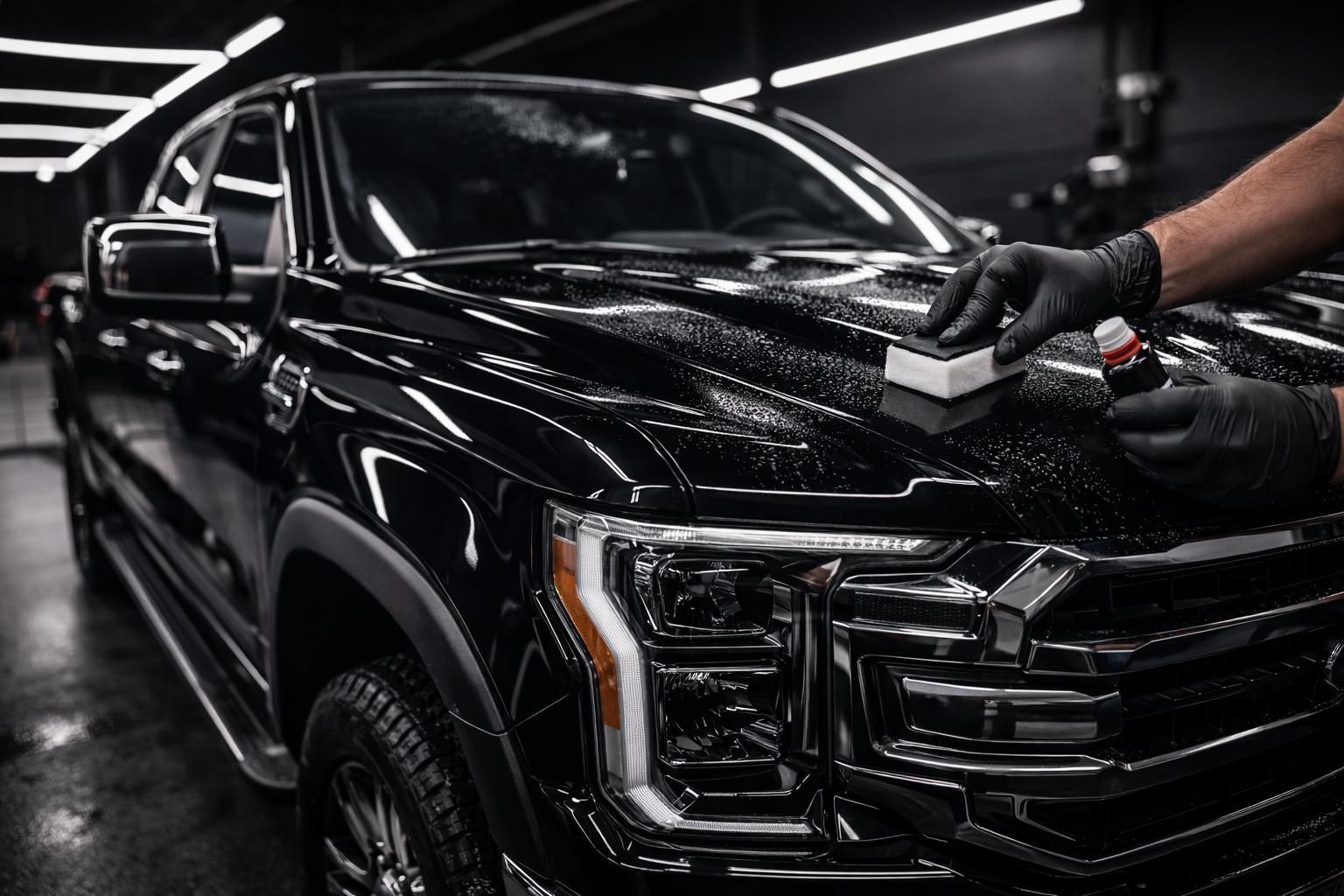
Ceramic coating is a liquid applied coating that bonds to the clear coat and cures into a durable protective layer. When truck owners search “ which is better PPF or ceramic coating ,” ceramic often wins on appearance, ease of cleaning, and chemical resistance, but it is not a rock chip shield.
Direct answer: what ceramic coating protects against
Ceramic coating is most effective against chemical and environmental damage . It helps protect your truck from:
- UV fading and oxidation over time
- Water spotting and mineral deposits that etch into clear coat
- Bug splatter and bird droppings that stain when left too long
- Road film, grime, and certain contaminants that bond to paint
- Light chemical exposure from winter road treatments
Hydrophobic behavior and why it matters
The most noticeable day to day benefit is hydrophobic behavior. Water beads and sheets more easily, which can reduce how much grime sticks to the surface. For many Ohio trucks, that means quicker maintenance during wet seasons and fewer heavy scrubs that can create swirl marks. Hydrophobic does not mean your truck stays clean forever, but it can make washing easier and reduce friction during cleaning.
Ceramic coating and gloss on trucks
Many truck owners choose ceramic coating because it enhances gloss and depth, especially on darker colors. If your truck is a weekend cruiser or show build, ceramic can help keep the paint looking freshly polished. The coating can also support consistent appearance across the entire vehicle, including painted panels, gloss trim, and sometimes wheels depending on the product and application.
Where ceramic coating has limits
Ceramic coating is not designed to stop physical impacts. It can help reduce light marring and surface micro-scratches in some situations by making the surface slicker, but it does not provide the thickness and energy absorption needed to stop rock chips. If you do a lot of highway driving around Dayton and Cincinnati or you frequently encounter gravel, PPF is the stronger physical defense.
3. Key differences: paint protection film vs ceramic coating for trucks
If you want a clear paint protection comparison , start with this: PPF is a physical barrier, ceramic coating is a chemical resistant coating. Here are the key differences that matter most to truck owners in Waynesville, OH.
Protection type: impact vs chemical resistance
- PPF : best for rock chips, scratches, scuffs, and road debris. It is the go to for the front end of a truck.
- Ceramic coating : best for UV, staining, water spots, and contamination resistance. It improves washability and shine.
Durability and longevity in real use
Longevity depends on product quality, prep, installation technique, and how you maintain your truck. PPF is engineered for impact exposure and can be a long term solution on high impact areas. Ceramic coatings can also last for years when applied correctly and maintained. In practice, your driving habits matter. A work truck that sees job sites, automatic washes, and winter grime will test any product more than a garage kept weekend truck.
Appearance: gloss, texture, and consistency
Both can look excellent, but they create different kinds of “new paint” appearance:
- PPF is nearly invisible when installed well, with most modern films designed for strong clarity. Some owners choose satin or matte PPF to change the look without repainting.
- Ceramic coating typically boosts gloss and can make metallic flake pop. It can also help keep the paint looking freshly washed.
Maintenance: what you still have to do
Neither option removes the need to wash your truck. What they can do is make washing safer and easier.
- With PPF , avoid harsh abrasives and treat the film like paint. Use proper wash tools and gentle methods.
- With ceramic , follow recommended soaps and periodic maintenance to keep hydrophobic behavior strong.
Cost: why PPF usually costs more
In most cases, PPF is the higher investment because it requires precision patterning, careful stretching and alignment, and more labor hours. Ceramic coating can also be a serious investment when you include paint correction, but it generally costs less than extensive PPF coverage. The exact price depends on coverage areas, condition of the paint, and the product level you choose.
Structured comparison: what damage each option prevents
Physical impact damage (PPF advantage)
- Rock chips from highway debris
- Sand and grit abrasion on the leading edges
- Parking lot scuffs and minor scratches
- Light brush contact from branches
Chemical and environmental damage (ceramic advantage)
- Water spots and mineral etching
- Bug acids and bird droppings staining
- UV oxidation and fading over time
- Industrial fallout and environmental contaminants bonding to paint
4. Which is better for your truck: real world scenarios for Ohio drivers
When people ask “ which is better for trucks, PPF or ceramic coating ,” the most accurate answer is: it depends on what your truck faces most often. Below are practical scenarios based on how trucks are used around Waynesville, Warren County, Dayton, and Cincinnati.
Highway drivers and long commuters
Best starting point: PPF on the front impact zones. If you spend a lot of time at highway speed, rock chips and sandblasting are the most common forms of visible damage. A well planned PPF package on the bumper, hood, fenders, mirror caps, and A-pillars targets the areas that get hit first. Ceramic coating can be added for easier cleaning and improved appearance.
Work trucks, job sites, and gravel exposure
Best starting point: targeted PPF plus practical ceramic maintenance benefits. Work trucks see abrasion, scuffs, and contamination. PPF can protect the high impact areas, while ceramic coating can make it easier to wash off grime and reduce staining from environmental fallout. If the truck is constantly exposed to mud, dust, and tools, you want protection that reduces damage and saves cleaning time.
Show trucks and weekend builds
Best starting point: ceramic coating, with strategic PPF where it matters. If your main goal is deep gloss and quick cleanup for events, ceramic coating is often the first choice. If the truck still drives on highways or you want to keep the front end flawless, adding PPF to the high impact zones is the strongest way to keep chips from interrupting the look.
Daily drivers that you plan to keep long term
Best starting point: consider combining both. A daily driven truck sees everything, road debris, weather, and regular washing. If you want maximum long term value, pairing PPF on the front impact areas with ceramic coating on top of the paint (and sometimes on top of the film) can create a protection system that is strong against impacts and easier to maintain.
Budget focused protection
Best starting point: ceramic coating or partial PPF, based on your biggest risk. If budget is the main constraint, start by identifying what is most likely to damage your paint. Do you mostly deal with water spotting, staining, and hard to clean road film? Ceramic coating can be a smart value. Do you already have chips starting on the hood and bumper from regular highway miles? Partial PPF on the front end can prevent additional damage where it matters most.
Quick decision question: If you had to pick one paint problem to prevent this year, would it be rock chips and scratches, or staining and difficult cleaning? Your answer points you to the right starting option.
5. Can you combine PPF and ceramic coating for maximum protection?
Yes, and for many truck owners it is the best overall strategy. PPF and ceramic coating together is often described as the “ultimate solution” because it layers protection types in a logical way.
How the combined system works
- Step 1 : install PPF where impact risk is highest (front end and other high wear areas).
- Step 2 : apply ceramic coating to the rest of the painted surfaces, and in many cases apply coating on top of the film as well, using a product that is compatible with film.
With this approach, the film takes the physical hits, while the ceramic coating adds chemical resistance, hydrophobic behavior, and easier cleaning across the truck. This is especially helpful in Ohio winter conditions where road salt and grime can cling to surfaces and make wash cycles more aggressive.
Why combining both improves real world maintenance
Many owners underestimate the long term “maintenance cost” of unprotected paint. Hard scrubbing, frequent polishing, and repeated decontamination can wear clear coat over time. A combined protection approach can reduce how often you need corrective polishing and can make regular washes faster and less abrasive. That helps preserve appearance and resale value.
Common combined coverage strategies for trucks
- Most popular : full front PPF plus ceramic coating on everything
- Balanced : partial front PPF (high impact kit) plus ceramic coating
- High impact : add rocker panel and lower door PPF for trucks that see gravel and winter road spray
6. Cost comparison: PPF vs ceramic coating vs combined protection
Truck owners researching “ truck paint protection Waynesville OH ” often want clear pricing guidance. Exact pricing depends on your truck size, paint condition, desired coverage, and the product level selected. Still, it helps to understand how the costs typically break down.
Why PPF pricing varies so much
PPF cost is driven by coverage area and labor. A bumper takes time because of curves, edges, and sensor cutouts. A full front package adds hood, fenders, mirror caps, and more. If your truck has existing chips or defects, paint correction may be recommended before film so the finish under the film looks its best.
Why ceramic coating pricing varies
Ceramic coating cost is heavily influenced by the paint preparation stage. If the paint needs correction to remove swirls, haze, or staining, that time is included in a professional application. Higher grade coatings may also have more detailed application steps and curing requirements.
Structured “table” style comparison: PPF only vs ceramic only vs combined
Option comparison (formatted for easy scanning)
- Rock chip and scratch protection
- PPF only : Excellent on covered areas
- Ceramic only : Limited for chips, modest help against light marring
- PPF + ceramic : Excellent with improved surface slickness and wash safety
- Chemical and UV protection
- PPF only : Moderate, depends on film top coat and care
- Ceramic only : Excellent chemical resistance and UV support
- PPF + ceramic : Excellent, especially when coating is applied across paint and film where appropriate
- Hydrophobic and self-cleaning properties
- PPF only : Varies by film top coat
- Ceramic only : Strong hydrophobic behavior and easier rinsing
- PPF + ceramic : Strong across the truck when coating is applied consistently
- Gloss and appearance enhancement
- PPF only : Preserves paint appearance, very clear when installed well
- Ceramic only : Strong gloss, depth, and “just detailed” look
- PPF + ceramic : Preserved paint plus coated gloss and easier upkeep
- Durability and longevity
- PPF only : Long term on impact areas with proper care
- Ceramic only : Long lasting when professionally applied and maintained
- PPF + ceramic : Long term protection system designed for both damage types
- Maintenance requirements
- PPF only : Standard safe washing, avoid abrasive methods
- Ceramic only : Safe washing with coating friendly products and periodic maintenance
- PPF + ceramic : Simplified cleaning plus strong chip resistance, usually the best for busy owners
- Total investment cost and overall value
- PPF only : Highest cost when coverage is extensive, best value when chips are your main concern
- Ceramic only : Moderate to high cost depending on prep, best value for gloss and easy cleaning
- PPF + ceramic : Highest total investment, highest overall protection level for long term owners
Practical takeaway: If you want the most chip protection per dollar, target PPF on the most impacted areas first. If you want the biggest improvement in ease of cleaning and gloss across the entire truck, ceramic coating can be a strong starting point. If you want the most complete protection, combining both is the premium path.
7. How to choose in Waynesville and Warren County: a practical checklist
Choosing between paint protection film vs ceramic coating trucks comes down to a few clear decision factors. Use this checklist to narrow it down.
Step 1: map your driving conditions
- Frequent highway miles (Dayton, Cincinnati, Columbus routes): prioritize PPF for the front end.
- Rural roads and gravel exposure : prioritize PPF for high impact zones plus consider lower panel coverage.
- Mostly city driving : ceramic may deliver strong value for gloss and easier cleaning, but consider PPF for the bumper if you see frequent debris.
Step 2: decide what “better protection” means for you
Ask yourself what would bother you more:
- Chips and scratches you can feel and see on the hood and bumper
- Staining and water spots that make the paint look dull or dirty
If the first one is the bigger fear, start with PPF. If the second one is the bigger fear, start with ceramic coating.
Step 3: choose a coverage plan that matches your budget
There is no single “right” package for every truck. A smart plan matches protection to the areas that take the most abuse. Many owners start with a front end PPF package and then expand coverage later. Others start with ceramic coating to get full vehicle benefits at a lower initial investment, then add PPF on the next service cycle.
Step 4: pick an installer who will explain tradeoffs clearly
The product matters, but installation quality matters just as much. For truck owners near Waynesville, Truck Paradise (Solar Shade Truck And Car Paradise) focuses on honest guidance, careful preparation, and protection packages that fit how you drive. A good consultation should cover your driving routes, paint condition, problem areas, and the realistic pros and cons of each option.
Step 5: plan for maintenance so you protect your investment
Even the best protection can be weakened by improper washing. If you invest in PPF, ceramic coating, or both, commit to safe wash methods and avoid unnecessary abrasion. For many owners, this is where ceramic coating adds value, since it can reduce how hard you need to scrub and how often you need heavy decontamination.
FAQ: PPF vs ceramic coating (15 questions)
Which is better for trucks, PPF or ceramic coating?
PPF is better for physical damage like rock chips and scratches. Ceramic coating is better for chemical resistance, hydrophobic behavior, and gloss. The best choice depends on your driving and priorities.
Does PPF protect better than ceramic coating against rock chips?
Yes. PPF is designed to absorb impacts and reduce paint chipping. Ceramic coating is not built to stop rock chips at highway speed.
Does ceramic coating prevent scratches like PPF does?
No. Ceramic coating can help reduce light marring by making the surface slicker, but it does not provide the thick barrier needed to resist scratches like PPF.
Can you put ceramic coating over PPF?
In many cases, yes, using a coating that is compatible with film. This can improve hydrophobic behavior and make the film easier to clean. Your installer should confirm product compatibility.
Which lasts longer, PPF or ceramic coating?
Both can be long lasting when installed correctly and maintained. Longevity varies by product, exposure, and care, so it is best to compare expected service life and warranty details during a consultation.
Is PPF worth the extra cost compared to ceramic coating?
PPF is often worth it if rock chips and abrasion are your main concern, especially for highway drivers. If your biggest issue is keeping the truck glossy and easy to wash, ceramic coating can deliver strong value at a lower cost.
What protects better against Ohio winter road salt?
Ceramic coating provides strong resistance to chemical contamination and can make salty road film easier to rinse off. PPF helps against physical abrasion from grit and debris. Many owners benefit from using both in winter conditions.
Do you need both PPF and ceramic coating?
You do not always need both, but using both provides the most complete protection. Consider both if you want strong chip resistance plus easier washing and better chemical resistance.
How much does PPF cost vs ceramic coating for a truck?
PPF usually costs more, especially with larger coverage like a full front. Ceramic coating pricing depends heavily on paint prep and correction. For accurate pricing, get a quote based on your truck size, paint condition, and coverage goals.
Which is easier to maintain, PPF or ceramic coating?
Ceramic coating typically makes washing easier because of its hydrophobic behavior. PPF is also washable like paint, but it may not shed grime as easily unless it has a strong top coat or is coated.
Does ceramic coating make PPF last longer?
It can help reduce staining and make the film easier to clean, which may support long term appearance. Film longevity still depends on film quality, installation, and exposure.
Do work trucks need PPF or ceramic coating more?
Work trucks often benefit from targeted PPF on high impact areas plus ceramic coating for easier cleaning. If the truck sees lots of gravel or debris, prioritize PPF first.
What does Truck Paradise recommend for a daily driver truck?
For many daily drivers around Waynesville and Warren County, a front end PPF package plus ceramic coating on the rest of the truck offers a balanced mix of chip protection and easy maintenance. The best plan depends on your routes and budget.
Should show trucks get PPF or ceramic coating?
Show trucks often start with ceramic coating for gloss and presentation, then add PPF to high impact areas if the truck still drives on highways and you want to prevent chips that distract from the finish.
Can you apply ceramic coating yourself, or does it need professional installation like PPF?
DIY ceramic products exist, but professional coatings and proper prep typically deliver better durability and appearance. PPF installation is highly technical and is usually best handled by trained professionals.
Conclusion: choosing the right paint protection for your truck
When it comes to
PPF vs ceramic coating , the winner depends on what you need protected most. PPF provides superior physical protection, making it the best defense against rock chips, scratches, and road debris that truck owners around
Waynesville, Dayton, and Cincinnati see every week. Ceramic coating excels at chemical protection, hydrophobic behavior, and gloss, helping reduce staining, UV wear, and the effort it takes to keep your truck clean. If you want the most complete solution,
PPF and ceramic coating together delivers a true protection system that covers both impact damage and environmental contamination.
If you are researching paint protection options and want honest guidance for your specific truck, driving conditions, and budget, Truck Paradise (Solar Shade Truck And Car Paradise) serves Waynesville, Warren County, and the surrounding Ohio area with professional PPF and ceramic coating services.
Contact Truck Paradise to discuss the best package for your truck and get a clear recommendation based on how you actually use it.