How to Prep Your Truck for PPF: A Simple Checklist
Planning to protect your truck with
paint protection film and wondering what you should do before your appointment? The short answer is that PPF can only bond properly to paint that is clean, bare, and in good condition. If the surface has traffic film, road grime, wax, sealants, fresh touch-up paint, sap, iron fallout, or embedded grit, the film may not lay perfectly flat. That can lead to visible imperfections, trapped contamination, lifting edges, or bubbles that show up after installation. Proper preparation matters because PPF is designed to be a long-term layer of protection, and its longevity depends heavily on how well it bonds on day one. The good news for truck owners in
Waynesville, Ohio and surrounding Warren County, Dayton, and Cincinnati areas is that you do not need to do the installer’s job.
Professional shops handle the critical decontamination, paint correction, and final surface prep. But you
can take smart steps ahead of time, like washing correctly, avoiding certain products, flagging paint damage early, and scheduling your truck’s use so the installer can work on a clean, stable surface.
Table of Contents
- 1. Why prep matters for PPF adhesion and longevity
- 2. Simple PPF prep checklist for truck owners
- 3. What to avoid in the week before installation
- 4. Do you need detailing or paint correction first?
- 5. How to inspect your truck’s paint for issues
- 6. What happens during professional PPF prep at the shop
- 7. Preparing for your Truck Paradise appointment
- FAQ: PPF installation preparation
1. Why proper prep matters for PPF installation and results
Direct answer: Proper prep improves film adhesion, reduces visible flaws under the film, and helps your PPF last longer with fewer edge-lift and contamination problems.
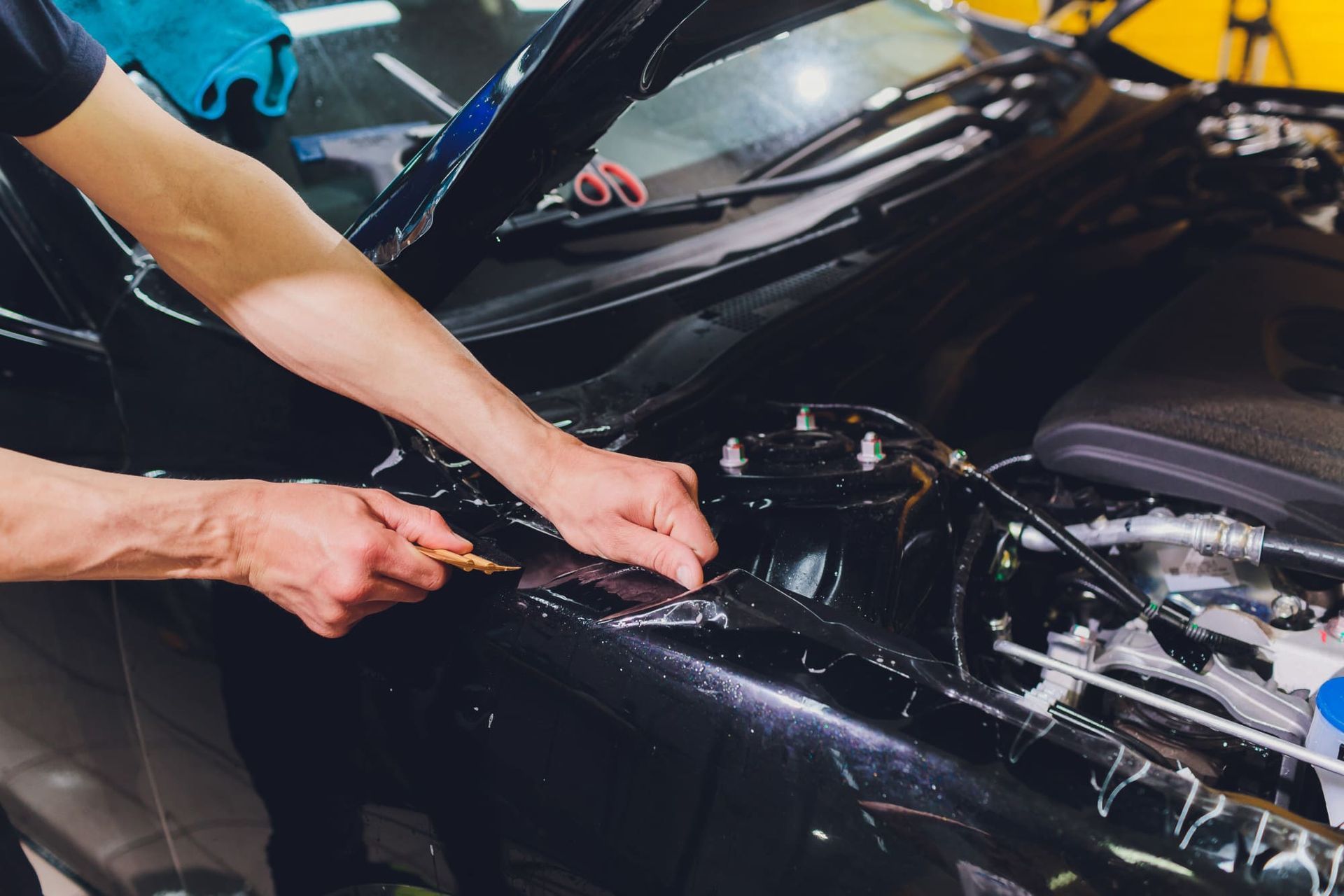
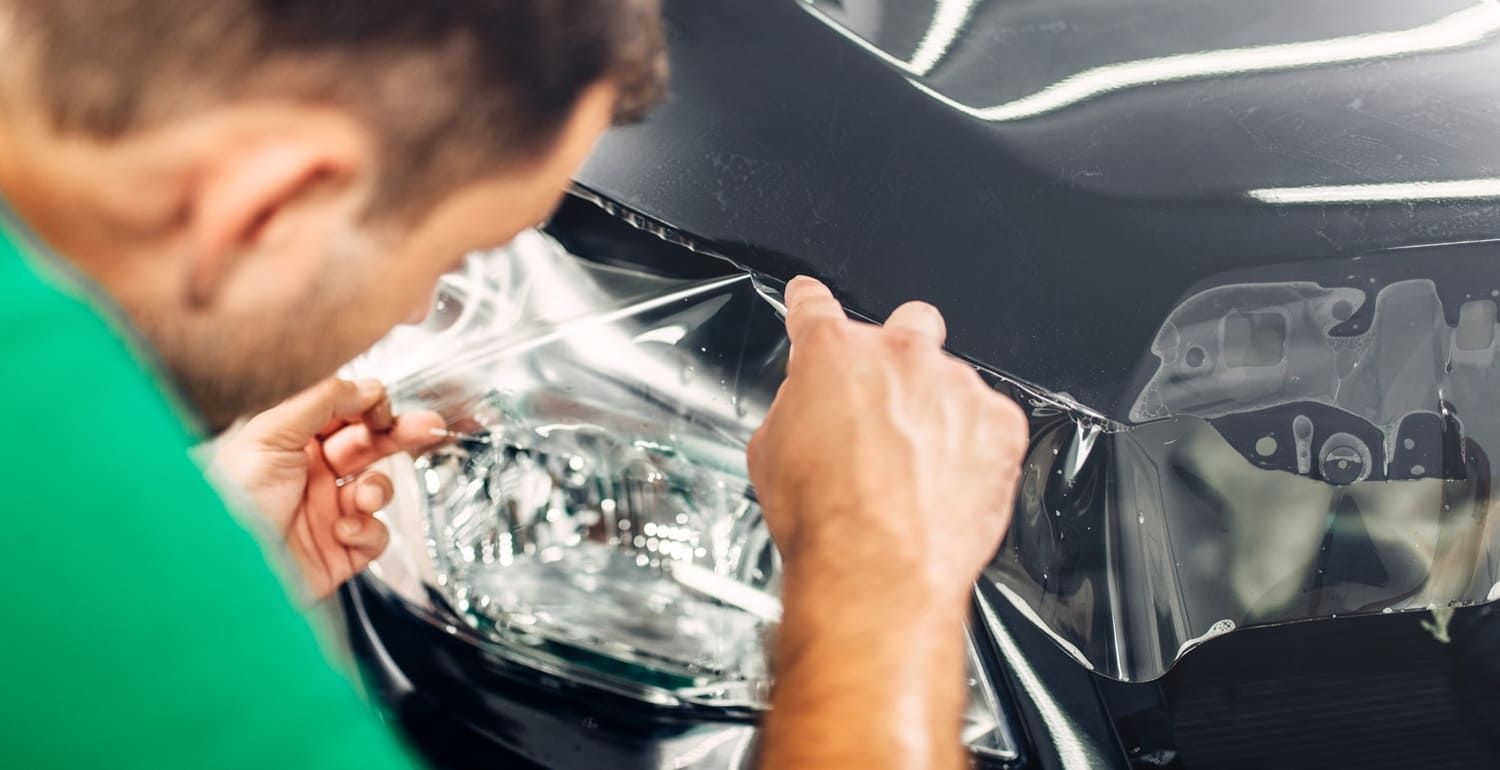
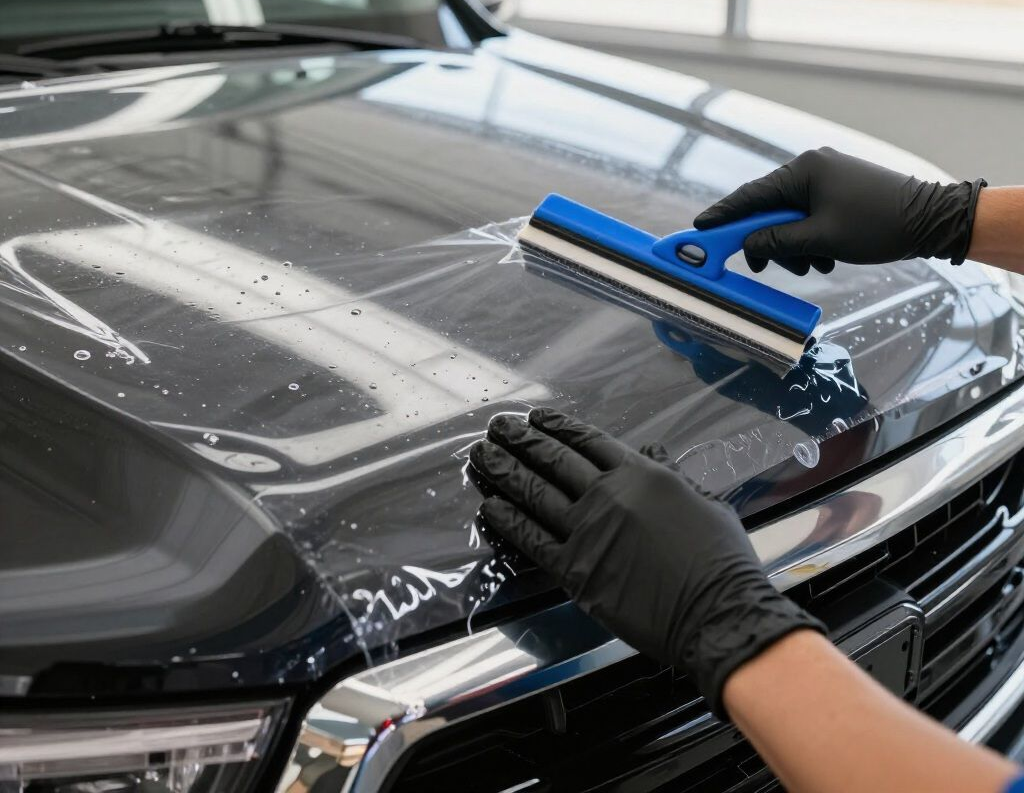
Paint protection film installation is not like putting a sticker on a surface. PPF is a precision-fit urethane film that is designed to bond to your clear coat, conform to curves, and remain stable through heat cycles, rain, road salt, and repeated washing. For that bond to happen reliably, the paint needs to be free of anything that blocks adhesion.
Truck owners often think of prep as “make it look clean.” For PPF, the goal is “make it chemically clean and physically smooth .” Even if your truck looks fine from 5 feet away, the paint can still hold embedded contaminants like iron particles from brake dust, tar, industrial fallout, or mineral deposits. Those contaminants can become visible as tiny bumps or dots once the film is laid down, especially on flat panels like the hood and fenders.
Prep also affects the look of your truck after installation. PPF is clear, not invisible. It can magnify what is underneath in certain light. If you have swirls, hazing, or deeper scratches, the film will not hide them. In many cases it will preserve them. That is why the best “truck paint prep” is a combination of smart owner prep and professional surface correction where needed.
How skipping prep can cause bubbles, lifting, or early failure
Most problems that show up after installation are tied to what was on the paint before the film was applied or how the surface behaved afterward. Common avoidable issues include:
- Trapped contamination: grit, sap, or iron that creates bumps under the film.
- Poor adhesion: waxes, sealants, spray “ceramic” products, or oily dressings that prevent proper bonding.
- Edge lift: contamination near edges or heavy water exposure too soon after install.
- Visible swirl marks: film locks in the current paint condition unless corrected first.
If you are searching for “how to prep truck for PPF,” the key takeaway is simple: arrive with paint that is clean, bare, and honestly assessed . Let the installer do the specialized steps that require experience and the right products.
2. Paint protection film prep checklist: simple steps to do before your appointment
Direct answer: Wash correctly, keep the paint bare, inspect and photograph problem areas, remove or secure accessories that block film, and plan for minimal driving right before drop-off.
This
paint protection film prep checklist is designed for truck owners in Waynesville, OH and nearby areas who want the best results but do not want to overdo it or accidentally create problems. If you do these steps, you will make the installer’s job easier and reduce surprises.
A. 48 to 72 hours before: do a proper hand wash
- Use a pH-neutral car shampoo and a clean wash mitt.
- Rinse thoroughly , especially around badges, seams, and trim.
- Clean wheels and tires so brake dust does not splash onto fresh paint surfaces.
- Dry with clean microfiber towels to avoid adding new swirls.
If your truck is heavily soiled, start with a rinse and foam pre-soak to reduce scratching. Avoid aggressive scrubbing. Swirl marks are one of the most common paint issues that owners add right before PPF installation.
B. After washing: keep it “bare paint”
For PPF installation preparation, your goal is to avoid anything that leaves protection behind. That means no waxes, spray sealants, ceramic topper sprays, or “quick shine” products. Even if those products seem helpful, they can create bonding issues. If you are unsure whether a product leaves a coating, assume it does and skip it.
C. 24 to 48 hours before: inspect paint in good lighting
Do a quick walkaround in sunlight or strong garage lighting. Focus on the panels that will receive
paint protection film installation, often the hood, fenders, bumper, mirrors, A-pillars, rocker panels, and high-impact areas behind the wheels.
- Look for chips on the leading edge of the hood and fenders.
- Check for scratches around door handles and bedside areas.
- Look for oxidation or hazing on older trucks or black paint.
- Check for staining from bugs, bird droppings, or hard water spots.
Take a few photos and share them when booking or confirming. This helps your installer set expectations about paint correction, touch-up work, or whether certain damage should be repaired before film is applied.
D. Remove or plan around accessories that block the film
PPF patterns and installation often require access to edges. Certain accessories can prevent clean wraps or consistent coverage. Consider these items:
- Bug deflectors and hood shields
- Aftermarket badges or adhesive emblems
- Grille inserts or add-on trim pieces
- Light bars mounted where film would normally go
- Magnetic decals or temporary graphics
If you are unsure what to remove, ask before your appointment. In many cases, a professional shop can advise which items should come off and which can stay in place without compromising results.
E. Clear your schedule and plan your drop-off cleanly
Try to avoid long highway drives right before drop-off. If you must drive, do so earlier, then wash again if the truck gets bug-splattered or exposed to road spray. For best “PPF prep Waynesville OH” outcomes, arrive with a truck that has not just been washed, but has also stayed clean.
3. What to avoid in the week before PPF installation
Direct answer: Avoid wax, sealants, ceramic products, harsh washes, paint-touch products that need cure time, and environments that add contamination.
This section answers one of the most common People Also Ask queries: “What should I not do before getting
paint protection film?” The week before install matters because many products and conditions leave residues or create defects that require extra correction.
Avoid waxes, sealants, and spray ceramic products
- Traditional paste or liquid wax
- Spray wax and “quick detailers”
- Polymer sealants
- DIY ceramic sprays and toppers
These products can interfere with adhesion. Even if an installer can remove them, it can add time and cost. If you applied something recently, disclose it. Honesty helps your installer plan proper decontamination.
Avoid automatic car washes and harsh brushes
Automatic washes can add swirls and micro-marring, especially on dark colors. Since PPF preserves the paint condition, new swirls right before installation often become “locked in” unless corrected. If you need a wash, choose a gentle hand wash approach.
Avoid parking under trees, sap zones, and heavy pollen
Tree sap and pollen are notorious for sticking to paint and leaving staining. Parking under trees for a week leading up to your appointment increases the chance you arrive with contamination that needs additional work.
Avoid fresh touch-up paint right before installation
If you are fixing rock chips, use professional guidance and allow proper cure time. Some touch-up paints, clear coats, or aerosols can outgas or remain soft. Soft paint under film can lead to imperfections. The safe move is to show the damage early and ask your installer what they recommend.
Avoid heavy off-road use and construction zones
Gravel roads, mud, and construction dust can embed particles into the paint and leave tar spots on rocker panels. If your truck is a work vehicle, schedule your “PPF installation preparation” for a window where the truck can stay clean.
4. Do you need professional detailing or paint correction before PPF?
Direct answer: Not always. Many truck owners only need a careful wash and honest inspection. If your paint has noticeable swirls, oxidation, or staining, professional paint correction before or during PPF prep is often worth it.
This is where many owners get conflicting advice online. The best answer depends on the current paint condition and your expectations. PPF is a protective layer, not a paint repair product. If you want the truck to look its best under the film, you address defects first.
When basic owner prep is usually enough
- New or well-maintained trucks with minimal swirls
- Trucks that are already free of waxes and coatings
- Install areas limited to high-impact zones (partial front)
When professional detailing or correction is recommended
- Visible swirls or haze in sunlight
- Oxidation on older paint
- Hard water spotting or etching
- Heavy embedded contamination that a basic wash will not remove
In many professional installations, the installer performs some level of paint correction as part of the prep workflow. What varies is how extensive it is. A shop may include light correction for the covered panels, then quote additional correction if the paint needs more time. The most effective approach is to ask for an inspection and a clear plan.
Comparison: three prep paths and what to expect
Use this as a decision table when you are choosing between DIY-only, a detailer visit, or relying on full installer prep. (Structured for featured snippets and quick scanning.)
- Option 1: DIY basic wash only
- Paint cleanliness level: Medium, depends on technique
- Defect removal (swirls, scratches): None
- Contaminant removal (tar, sap, iron): Low
- Surface preparation quality: Low to medium
- PPF adhesion results: Variable
- Long-term film performance: Variable
- Overall value: Good only for very clean paint
- Recommended approach: Use if paint is already excellent
- Option 2: Professional detailing before PPF
- Paint cleanliness level: High
- Defect removal (swirls, scratches): Medium to high (depends on service)
- Contaminant removal (tar, sap, iron): Medium to high
- Surface preparation quality: Medium to high
- PPF adhesion results: Strong, if no coatings are added
- Long-term film performance: Strong
- Overall value: Great for older paint or dark colors
- Recommended approach: Confirm detailer avoids waxes and sealants
- Option 3: Full professional prep by installer
- Paint cleanliness level: Highest
- Defect removal (swirls, scratches): Appropriate to install standard
- Contaminant removal (tar, sap, iron): High
- Surface preparation quality: Highest
- PPF adhesion results: Best, most consistent
- Long-term film performance: Best chance for longevity
- Overall value: Highest for long-term protection
- Recommended approach: Ideal for most trucks getting PPF
Bottom line: If you want the best PPF results and longevity, rely on professional installer prep and use your efforts to arrive with a clean, honest baseline. If you hire a detailer, make sure they do not apply wax, sealant, or ceramic products right before your PPF appointment.
5. How to inspect your truck’s paint before PPF: chips, scratches, oxidation
Direct answer: Inspect in strong light, check high-impact edges first, and identify anything that needs repair or correction before film is installed.
Paint protection film installation is a great time to reset your truck’s finish. In Waynesville and across Warren County, many trucks see highway miles, winter salt exposure, and work-site dust. That environment creates predictable paint issues. Finding them early helps you decide what to fix before film goes on.
Step-by-step inspection you can do in 10 minutes
- Check the hood leading edge: look for peppered rock chips and white dots.
- Check fenders and bumper corners: these take direct road impact.
- Look down the sides at an angle: this reveals swirls and haze.
- Inspect rocker panels: look for tar, asphalt specks, and staining.
- Look at door cups and handles: common scratch zones.
- Check around emblems and trim: old adhesive, staining, or trapped dirt.
What should be addressed before PPF goes on?
- Active paint failure: peeling clear coat, severe oxidation, or flaking paint should be repaired first.
- Deep scratches through clear coat: PPF will not hide them, so correction may be recommended.
- Large chips: these can sometimes be improved with touch-up, but cure time matters.
Ask yourself: “If I put a clear layer on top, will I be happy seeing this every day?” If the answer is no, discuss correction options before installation.
6. What happens during professional PPF prep at the shop
Direct answer: Professional prep typically includes deep cleaning, decontamination, paint correction as needed, and a final surface prep step so the film bonds reliably.
Truck owners searching “PPF installation preparation” often want to know what the shop does versus what they should do. Here is a clear breakdown of a professional prep workflow. Exact steps vary by shop and vehicle condition.
A. Decontamination: removing what a wash cannot remove
- Chemical decontamination: targets iron particles and traffic film.
- Tar and sap removal: especially important on rocker panels and behind wheels.
- Clay or mechanical decontamination: removes embedded contaminants that cause bumps.
This is critical because PPF will conform around contamination and make it noticeable. Decontamination improves the “smoothness” that allows the film to lay cleanly.
B. Paint correction: leveling defects for a cleaner finish
Paint correction is polishing work that reduces swirls, haze, and light scratches. It is not always required, but it is often recommended for dark paint or trucks that have been through automatic washes. The goal is simple: improve what will be preserved under the film.
C. Surface preparation: creating an ideal bonding surface
Before the film is installed, the installer will typically do final surface prep that removes polishing oils and residues. This is one reason it is best not to apply your own products before the appointment. The installer needs a predictable surface for adhesion.
D. Fitment and installation conditions
Temperature, humidity, and cleanliness matter. A professional shop environment helps control variables that can affect the finish. For best long-term performance, proper installation conditions are just as important as the “truck paint prep” steps.
Owner vs installer responsibilities: who does what?
This quick comparison clarifies expectations.
- Truck owner typically handles:
- Basic hand wash and drying (without wax or sealant)
- Keeping the truck clean before drop-off
- Removing personal items and easy-to-remove accessories if requested
- Sharing photos of paint issues, prior repairs, or coatings applied
- Scheduling to minimize bugs, rain, and long highway drives right before install
- Professional installer typically handles:
- Deep decontamination and tar, sap, and iron removal
- Paint correction appropriate for film coverage areas
- Final surface preparation for reliable PPF bonding
- Film pattern alignment, edge finishing, and quality checks
- Post-install guidance and care instructions
7. How to prepare for your PPF appointment at Truck Paradise in Waynesville, OH
Direct answer: Arrive with a clean, bare, inspected truck and clear communication about paint condition. Then let the shop do the specialized prep that drives long-term results.
Truck Paradise (Solar Shade Truck And Car Paradise) serves truck owners in Waynesville, Warren County, Dayton, and the Cincinnati area who want professional paint protection film installation with proper surface preparation and long-lasting protection. The best way to set yourself up for success is to treat the week before your appointment as a “keep it clean and keep it simple” window.
A simple local timeline that works well
- 7 days out: stop using waxes, sealants, and spray ceramic products. Avoid automatic washes.
- 3 days out: hand wash, dry carefully, and avoid dressing products that sling onto paint.
- 2 days out: inspect your paint and send photos of chips or scratches you are concerned about.
- 1 day out: avoid parking under trees and avoid long highway drives if possible.
- Drop-off day: arrive on time with a reasonably clean truck and remove valuables.
What to tell your installer before you arrive
- If you recently applied any wax, sealant, ceramic product, or “graphene” spray
- If any panels have been repainted or repaired
- If you used touch-up paint on chips and when it was applied
- If you have aftermarket accessories that could block film coverage
Clear communication helps avoid delays and ensures your PPF installation preparation matches your goals. If you want the cleanest possible look, ask about paint correction options for the panels being wrapped.
How proper prep protects your investment
Quality PPF is a serious upgrade. Proper prep helps ensure:
- Cleaner edges and more consistent appearance
- Fewer trapped contaminants and fewer visible bumps
- Better adhesion in high-impact areas
- Longer-lasting results with better day-to-day maintenance
In other words, preparation is not busywork. It is what helps your film perform like it should on Ohio roads.
FAQ: PPF prep checklist and installation preparation
Do I need to wash my truck before PPF installation?
Yes. A careful hand wash 48 to 72 hours before your appointment helps you arrive with clean paint and reduces contamination.
Should I wax or ceramic coat my truck before getting PPF?
No. Waxes, sealants, and ceramic products can interfere with adhesion and can add removal time during professional prep.
How clean does my truck need to be for PPF installation?
It should be reasonably clean and free of heavy mud, bugs, and road film. The installer will handle deep decontamination and final prep.
Do existing scratches need to be fixed before PPF?
Light swirls can often be improved with paint correction. Deep scratches or paint failure should be evaluated first since PPF will not hide them.
What happens if I don’t prep properly before PPF?
You increase the risk of trapped contamination, visible flaws under the film, and adhesion problems that can reduce long-term performance.
Is professional detailing required before paint protection film installation?
Not always. Many owners only need a proper wash and inspection. If the paint is heavily swirled or contaminated, professional detailing can help.
How long does a full truck PPF installation take?
Time varies by coverage level and paint condition. Ask your installer for a schedule based on your truck and the panels being protected.
Can I drive my truck right after PPF installation?
In many cases, yes, but you should follow the shop’s aftercare guidance and avoid aggressive washing or harsh conditions during initial curing.
What products should I avoid before my PPF appointment?
Avoid waxes, sealants, spray ceramic products, oily dressings near paint edges, and harsh cleaners that leave residues.
Is paint correction included in the cost of PPF installation?
Sometimes light correction is included, but it depends on the shop and the condition of your paint. Confirm what level is included in your quote.
How soon after buying a new truck should I get PPF?
The sooner you protect high-impact areas, the fewer chips and defects you lock in. Many owners schedule PPF early to keep paint in top condition.
Do I need to remove truck accessories before PPF installation?
Sometimes. Items like bug deflectors, add-on trim, and certain mounted accessories can block proper coverage. Ask your installer what to remove.
What does Truck Paradise do to prep the paint before PPF?
Professional prep typically includes decontamination, paint correction as needed, and final surface preparation so the film bonds correctly.
Can PPF be installed over existing paint damage?
Minor defects may be acceptable, but peeling clear coat, severe oxidation, or deep damage should be repaired first for best results.
How should truck owners in Waynesville schedule a PPF appointment?
Pick a time when you can keep the truck clean for several days, avoid heavy work use right before drop-off, and share any paint concerns in advance.
Conclusion: arrive clean, avoid coatings, inspect early
If you want the best results from paint protection film installation, keep your prep simple and strategic. Hand wash your truck, avoid waxes and ceramic products, inspect the paint honestly, and communicate any chips, scratches, or recent repairs before your appointment. That is the most effective “paint protection film prep checklist” for owners because it supports what matters most: a clean, stable surface that a professional installer can properly decontaminate, correct, and prepare for strong film adhesion.
Truck Paradise (Solar Shade Truck And Car Paradise) serves
Waynesville, Warren County, Dayton, and Cincinnati area truck owners with professional-grade PPF installation focused on proper surface preparation and long-lasting protection. If you are ready to protect your truck and want help choosing coverage and timing,
contact Truck Paradise to discuss your goals and schedule your PPF install with the right prep plan for Ohio driving conditions.